
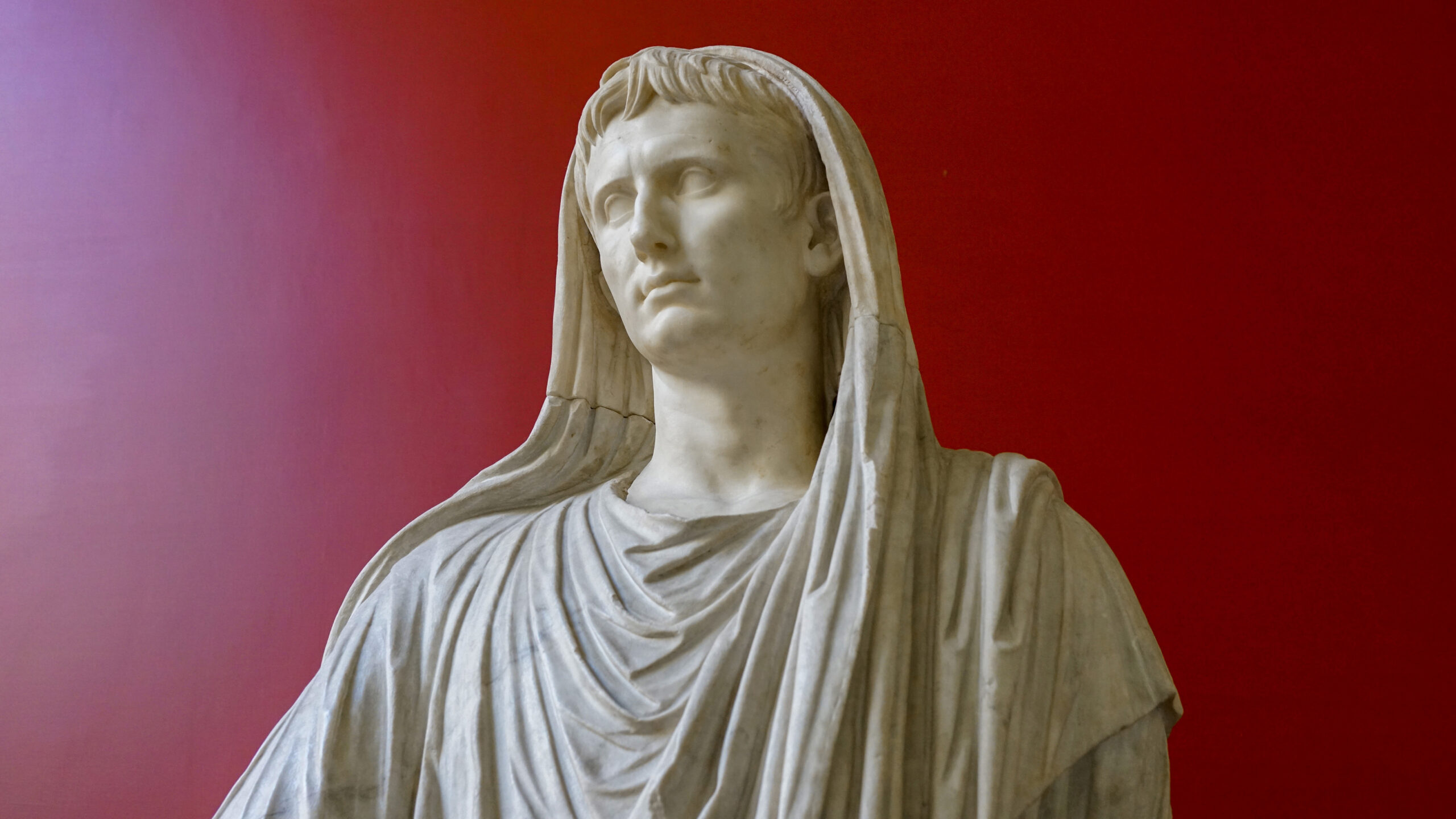
The term Pontifex Maximus has a long and interesting history. It comes from ancient Rome and refers to the highest religious leader in Roman society. This person had an important role in religious life, public events, and government. The title carried great respect and power.
In ancient Rome, religion played a major part in everyday life. People believed that their gods controlled many things. They prayed for good health, strong armies, good harvests, and peace. Therefore, religious leaders held an important place in society. Among them, the Pontifex Maximus stood at the top.
However, this title was not only about religion. It also connected with politics, leadership, and Roman traditions. Powerful Roman leaders wanted this position because it gave them public respect. It also helped them gain more influence over the people.
Today, people still study the Pontifex Maximus because it helps explain ancient Roman culture. The title also has a connection with the history of the Catholic Church and the papacy. In this article, we will explore its meaning, history, duties, famous holders, and lasting importance.
What Does Pontifex Maximus Mean?
The words Pontifex Maximus come from the Latin language. They can be translated as “greatest pontiff” or “chief priest.” The title described the most important priest in ancient Roman religion. This leader supervised many religious activities and helped protect Roman traditions.
The word Pontifex referred to a member of the Roman college of priests called the College of Pontiffs. The word Maximus means greatest or highest. Together, these words described the leading member of this important religious group.
Moreover, the title showed that the person had authority over important religious matters. People respected the holder because Romans believed that religious duties helped keep their city safe. A strong relationship with the gods was very important to Roman life.
The Origin of Pontifex Maximus
The history of Pontifex Maximus goes back to the early Roman Republic. During this period, Rome developed its religious rules and traditions. Religious leaders helped organize ceremonies and guide people in their worship.
The exact origin of the title remains uncertain. However, historians connect it with the early religious system of Rome. The College of Pontiffs became one of the most important groups in Roman religious life.
At first, religious leadership was closely connected to Roman traditions and public duties. The chief priest helped maintain religious rules. He also protected important records and guided other priests during major ceremonies.
Over time, the position became more powerful. Roman leaders understood that religion could influence public opinion. As a result, the Pontifex Maximus became an important figure in both religious and political life.
The Role of the College of Pontiffs
The College of Pontiffs was a group of senior religious officials in ancient Rome. Its members helped manage the religious system of the city. They also advised leaders about religious laws and ceremonies.
The Pontifex Maximus led this group. He had more authority than the other pontiffs. However, the other members also played important roles in maintaining religious traditions and helping organize public worship.
The college handled several important responsibilities, including:
- Managing religious ceremonies.
- Protecting sacred traditions.
- Advising political leaders about religious matters.
- Supervising certain priestly duties.
- Maintaining important religious calendars.
- Helping decide the correct dates for festivals.
Furthermore, the college helped Romans understand which religious actions were acceptable. It worked to protect the customs that people had followed for generations.
Main Responsibilities of the Pontifex Maximus
The Pontifex Maximus had many responsibilities. His work involved religious ceremonies, sacred rules, and public traditions. He needed knowledge of Roman customs and a strong understanding of religious practices.
One major duty involved supervising important religious events. Romans held many festivals throughout the year. These events honored different gods and marked special moments in the Roman calendar.
The chief priest also helped maintain religious rules. He guided other priests and made sure that important traditions continued. In addition, he helped solve religious problems that could affect public life.
Another important responsibility involved keeping religious records. These records included information about festivals, sacred days, and important events. Such information helped Romans organize their religious calendar.
Pontifex Maximus and Roman Religion
Religion was a central part of ancient Roman culture. Romans believed in many gods and goddesses. They thought these divine beings could influence nature, war, farming, and family life.
For this reason, people performed ceremonies to gain the favor of their gods. They offered gifts, said prayers, and attended public festivals. Religious leaders helped make these activities follow traditional rules.
The Pontifex Maximus played a major role in this system. He helped protect important religious customs. His leadership also gave people confidence that Rome followed the correct religious practices.
Roman religion was different from many modern religious systems. It often focused on public ceremonies and duties toward the gods. Therefore, the chief priest had an important place in the daily life of the city.
Pontifex Maximus During the Roman Republic
During the Roman Republic, the Pontifex Maximus became an important public position. Rome had no emperor during this period. Instead, elected officials and other political groups shared power.
However, religion remained closely connected to government. Roman leaders often performed religious duties before making major decisions. They wanted signs that showed whether the gods supported their plans.
The chief priest helped guide religious matters. His position also gave him respect among important Roman families. Holding this title could improve a politician’s public image and political influence.
At different times, members of powerful Roman families competed for important religious positions. This competition showed how much influence the office carried.
Julius Caesar and Pontifex Maximus
<PRIVATE_PERSON> Julius Caesar was one of the most famous people to hold the title Pontifex Maximus. He became chief priest in 63 BCE, during the Roman Republic. His election helped increase his public reputation and political influence.
Caesar was already an ambitious Roman politician. However, this religious position gave him another source of authority. It connected him with important religious traditions and placed him among Rome’s leading public figures.
Later, Caesar became a powerful military commander and political leader. He played a major role in the events that ended the Roman Republic. His rise showed how religious and political power could work together.
Caesar continued to hold the title until his death in 44 BCE. His connection with the Pontifex Maximus remains an important part of Roman history.
Augustus and the Pontifex Maximus Title
After Julius Caesar died, Rome experienced major political changes. His adopted heir, Augustus, eventually became the first Roman emperor. He created a new political system known as the Roman Empire.
Augustus became Pontifex Maximus in 12 BCE after the death of Lepidus, who had held the position. This event connected the highest religious office directly with imperial leadership.
Augustus used religion to support his new government. He restored old temples, supported traditional ceremonies, and presented himself as a protector of Roman customs.
As a result, the position became closely linked with the Roman emperors. Later emperors also held the title as part of their public authority.
Why Roman Emperors Held the Title
Roman emperors held many types of power. They controlled armies, managed government affairs, and influenced public decisions. The title Pontifex Maximus added religious leadership to their authority.
Religion helped unite people across the empire. Public festivals and ceremonies gave citizens a shared cultural identity. Therefore, the emperor’s role as chief priest helped strengthen his connection with Roman traditions.
The title also showed that the emperor protected the relationship between Rome and its gods. This idea supported the emperor’s public image and made his leadership appear more complete.
However, the emperor did not personally perform every religious task. Other priests and officials continued to manage different ceremonies and responsibilities.
Pontifex Maximus in the Roman Empire
During the Roman Empire, the title remained an important part of imperial life. Many emperors held it and used it to show their connection with Roman religion.
The position continued under several famous emperors. These included Augustus, Tiberius, Claudius, and later rulers. Each emperor had a different relationship with religion, but the title remained a symbol of authority.
As Christianity spread across the Roman Empire, religious life slowly changed. More people began following Christian teachings. This created new questions about traditional Roman religious practices.
Over time, the old Roman religious system lost much of its public importance. However, the history of the title continued to influence later religious traditions.
The Connection Between Pontifex Maximus and the Roman Calendar
The Roman calendar was an important part of religious and public life. It helped people understand when to hold festivals, attend ceremonies, and complete certain religious duties.
The Pontifex Maximus had an important role in supervising the religious calendar. The college of pontiffs also helped manage the system of sacred days and public events.
In ancient Rome, the calendar did not always work perfectly. Officials sometimes needed to adjust it to keep the seasons and dates in line. These changes could affect public activities and religious festivals.
Julius Caesar introduced a major calendar reform in 46 BCE. His reform created the Julian calendar, which became an important step in the development of modern timekeeping.
Famous People Who Held the Title
Several important Roman leaders held the title Pontifex Maximus. Their names help us understand how the position changed throughout Roman history.
Here are some well-known holders:
- Julius Caesar: He became Pontifex Maximus in 63 BCE. He later became one of Rome’s most powerful political leaders.
- Augustus: He took the title in 12 BCE. He connected religious leadership with the new Roman imperial system.
- Tiberius: He continued the tradition after Augustus and held the religious title during his reign.
- Claudius: He served as emperor and held important religious responsibilities.
- Other Roman emperors: Many later emperors continued to use the title as a symbol of their religious authority.
These leaders came from different periods of Roman history. However, they shared one important connection. Each held a position that linked religion with public leadership.
The Decline of the Ancient Roman Religious Office
The traditional Roman religious system slowly changed during the later Roman Empire. Christianity became more popular, and Christian communities gained greater public influence.
In the fourth century, Emperor Constantine supported Christianity. This change helped Christianity grow across the empire. However, traditional Roman religious practices continued for some time.
A major change came under Emperor Gratian. During the late fourth century, he refused the title Pontifex Maximus, according to traditional historical accounts. This decision reflected the changing religious direction of the empire.
After this period, the old office gradually lost its former political and religious importance. Christian leaders became more influential in the religious life of the Roman world.
Pontifex Maximus and the Catholic Church
The title Pontifex Maximus is also connected with the history of the Catholic Church. The Church developed within the Roman world and later became one of the most influential religious institutions in Europe.
The Bishop of Rome gradually gained greater authority among Christian communities. Over many centuries, the pope became the central leader of the Catholic Church.
The Latin title Summus Pontifex means Supreme Pontiff. It is commonly used as an official title for the pope. Pontifex Maximus has also been used historically as a description of papal authority.
However, it is important to understand that the ancient Roman office and the modern papacy are not exactly the same institution. They developed in different religious settings and followed different traditions.
How the Meaning of Pontifex Maximus Changed
The meaning of Pontifex Maximus changed over many centuries. In ancient Rome, it described the chief priest of the Roman religious system. The position included duties related to ceremonies, sacred rules, and public traditions.
Later, Roman emperors used the title to show their religious authority. This made the office closely connected with imperial government. It became a symbol of the relationship between Roman politics and religion.
As Christianity spread, the old Roman religious system became less important. Christian institutions developed their own forms of leadership. The language of pontiff continued to appear in Christian religious traditions.
Today, historians mainly use Pontifex Maximus when discussing ancient Roman religion. They also study its later use when exploring the history of the papacy.
Pontifex Maximus and Politics
Religion and politics often worked together in ancient Rome. Roman leaders understood that religious traditions could influence the way people viewed their government.
The Pontifex Maximus had an important place in this relationship. The title gave its holder public respect and connected him with Rome’s sacred customs.
For ambitious politicians, this position offered several benefits. It helped them build connections with powerful families and religious officials. It also increased their visibility among ordinary citizens.
Julius Caesar provides a clear example. His election as Pontifex Maximus helped strengthen his public position before he became Rome’s leading political figure.
However, the title was not simply a political reward. It also carried serious religious responsibilities that required knowledge of Roman customs.
What Did a Day in the Life of a Pontifex Maximus Look Like?
The daily life of a Pontifex Maximus probably depended on the period and the needs of Rome. He had to manage religious responsibilities while also dealing with other public duties.
On some days, he might attend religious meetings with other priests. He could also review important ceremonies and discuss questions about religious traditions.
During major festivals, his responsibilities became more demanding. He needed to help ensure that important events followed established customs. These ceremonies could attract large crowds.
He might also meet political leaders and advise them about religious matters. Therefore, his work required organization, knowledge, and strong leadership skills.
Important Symbols and Traditions of Roman Religion
Ancient Roman religion included many symbols and traditions. These helped people express their respect for the gods and understand their place in society.
Religious ceremonies often included offerings, prayers, and special clothing. Priests followed traditional rules during important public events.
Some important features included:
- Temples: Romans built temples to honor their gods and goddesses.
- Altars: People used altars during religious offerings and ceremonies.
- Festivals: Public celebrations honored different gods and marked special dates.
- Priestly clothing: Religious officials wore special garments during certain ceremonies.
- Sacred calendars: These helped organize religious events and important public days.
The Pontifex Maximus helped protect many of these traditions. His position showed how important religious customs were to Roman society.
Difference Between Pontifex Maximus and Other Roman Priests
Ancient Rome had several types of priests. Each group had its own responsibilities and religious duties. The Pontifex Maximus stood at the top of the College of Pontiffs, but he was not the only religious leader.
For example, the Augurs studied signs that Romans believed could reveal the wishes of the gods. They played an important role in public decisions and ceremonies.
The Vestal Virgins were another important group. These priestesses served the goddess Vesta and protected her sacred fire. Their duties held great importance in Roman religious life.
Other priests served particular gods or managed specific religious traditions. Together, these groups formed a large religious system.
The Pontifex Maximus helped supervise important parts of this system. However, each religious group maintained its own duties and customs.
Why Is Pontifex Maximus Important Today?
The title Pontifex Maximus remains important because it helps historians understand ancient Rome. It shows how religious leadership influenced government and public life.
It also explains why Roman emperors wanted religious authority. Holding the title allowed them to connect their political leadership with traditional Roman beliefs.
Furthermore, the term helps people understand the history of religious titles in Western culture. Its connection with the language of the papacy makes it an interesting subject for students and researchers.
Today, books, museums, schools, and history websites discuss the Pontifex Maximus. The title continues to attract attention because it connects several major parts of history.
Interesting Facts About Pontifex Maximus
There are many interesting facts about this ancient Roman title. Some are especially useful for students who want to learn more about Roman history.
- The title comes from Latin.
- It means greatest pontiff or chief priest.
- The Pontifex Maximus led the College of Pontiffs.
- Julius Caesar became Pontifex Maximus in 63 BCE.
- Augustus took the title in 12 BCE.
- Roman emperors held the position for centuries.
- The title connected religious duties with political authority.
- The Pontifex Maximus helped supervise religious traditions and calendars.
- Emperor Gratian refused the title in the late fourth century.
- The title has a historical connection with the language used for the pope.
These facts show why the title played such an important role in ancient Roman society.
How to Learn More About Pontifex Maximus
Learning about ancient Rome can be exciting. The best way to understand the Pontifex Maximus is to study the people, traditions, and events connected with the title.
First, read about the Roman Republic. This period explains how the position developed and why it became important to powerful families.
Next, study Julius Caesar and Augustus. Their lives show how religious leadership became connected with political power. They also help explain the transition from the Roman Republic to the Roman Empire.
Finally, explore the growth of Christianity in the Roman world. This will help you understand how religious leadership changed over time.
You can also visit history museums, read books about ancient Rome, and explore educational websites. These resources can make the subject easier to understand.
FAQs
1. What does Pontifex Maximus mean?
Pontifex Maximus is a Latin title that means greatest pontiff or chief priest. It described the highest-ranking priest in ancient Roman religion.
2. Who was the first famous Pontifex Maximus?
Julius Caesar was one of the most famous holders of the title. He became Pontifex Maximus in 63 BCE.
3. Did Roman emperors hold the title?
Yes. Many Roman emperors held the title. Augustus helped establish a strong connection between the office and imperial leadership.
4. Is Pontifex Maximus connected to the pope?
Yes. The title has a historical connection with papal terminology. However, the ancient Roman office and the modern papacy are different institutions.
5. Why was Pontifex Maximus important?
The position helped manage Roman religious traditions. It also connected religion with politics and gave its holder great public respect.
Conclusion
The history of Pontifex Maximus tells us a lot about ancient Roman society. It shows how religion, politics, and leadership worked together. The chief priest had an important role in protecting Roman traditions and managing religious activities.
Julius Caesar and Augustus helped make the title famous. Their leadership also showed how religious authority could strengthen political power. Later Roman emperors continued the tradition for many years.
As Christianity spread, the old Roman religious system slowly changed. The title eventually lost its original role. However, its historical influence continued through the language and traditions of later religious institutions.
Today, Pontifex Maximus remains an important historical term. Studying it helps us understand ancient Rome and the long relationship between religion and leadership. It is a small title with a very large place in history.
