
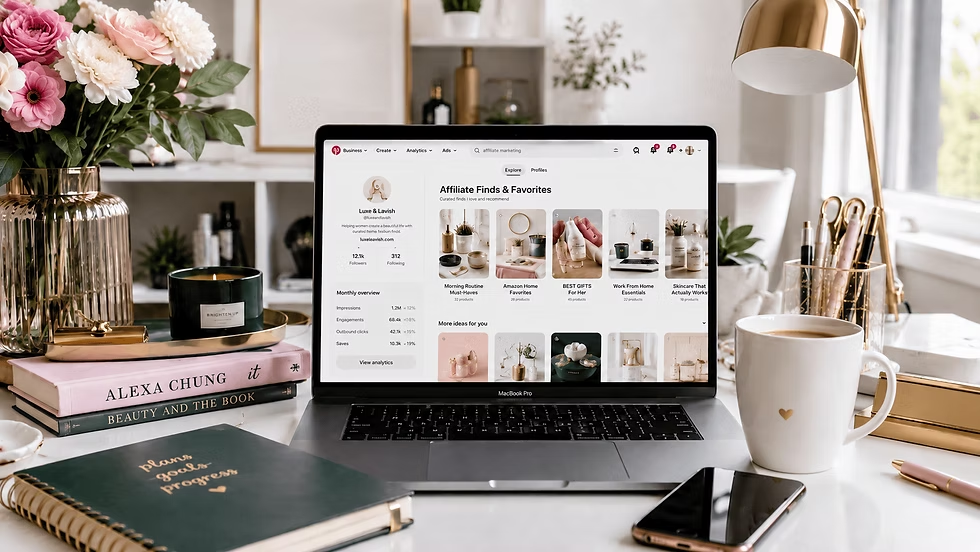
Pinterest affiliate marketing is a popular way to promote products online and earn commissions. It allows you to share product ideas with people who are looking for inspiration, solutions, and useful recommendations. You do not need to create your own products. Instead, you can promote products from other companies and earn money when people make qualifying purchases through your affiliate links.
Pinterest works differently from many other social media platforms. People often use it to plan projects, find new ideas, and discover products. For example, someone might search for bedroom decorations, easy recipes, beauty products, or home office furniture. This gives affiliate marketers a chance to share helpful content that matches what people want.
However, success takes time and effort. You must choose the right niche, create attractive Pins, and follow Pinterest’s rules. You also need to understand how affiliate programs work. In this guide, you will learn how to start Pinterest affiliate marketing, create useful content, attract visitors, and build a long-term strategy.
What Is Pinterest Affiliate Marketing?
Pinterest affiliate marketing means promoting products through Pinterest and earning a commission when people complete certain actions through your affiliate links. These actions often include buying a product. Some affiliate programs may also pay for other approved actions, such as signing up for a service.
First, you join an affiliate program. Then, you choose products that fit your audience. Next, you create Pins that show or explain those products. When someone clicks your Pin and follows your affiliate link, the company may track the visit and credit you for a qualifying purchase.
For example, imagine that you enjoy decorating small rooms. You could create Pins about space-saving desks, storage boxes, and affordable lamps. Each Pin could lead to a product page through an approved affiliate link. If a visitor purchases an item and meets the program’s requirements, you may earn a commission.
The best part is that you do not need to keep products in your home. You also do not need to handle shipping, packaging, or customer service. The company manages those tasks. Your job is to help people discover products that suit their needs.
How Does Pinterest Affiliate Marketing Work?
Pinterest affiliate marketing follows a simple process. However, each step matters if you want to build a useful and trustworthy account.
Here is how the process usually works:
- Choose a niche: Pick a topic that interests you and has products people want to discover.
- Join an affiliate program: Apply to a company or affiliate network that offers products in your niche.
- Select useful products: Find items that solve problems or match your audience’s interests.
- Create attractive Pins: Design images that clearly explain the product or idea.
- Add your affiliate link: Use the link according to Pinterest’s rules and the affiliate program’s terms.
- Publish your Pins: Add clear titles, useful descriptions, and relevant keywords.
- Track your results: Review clicks, saves, and sales through the available analytics tools.
- Improve your strategy: Create more content around topics that attract interested visitors.
For instance, you might promote kitchen tools. You could create a Pin titled “Five Useful Kitchen Tools for Small Apartments.” The Pin could show helpful products and explain why each one is useful. People who need these tools may click through to learn more.
Nevertheless, clicks do not always lead to sales. Some visitors may browse without buying anything. Others may purchase products but fall outside the affiliate program’s tracking rules. Therefore, you should focus on attracting the right audience rather than chasing clicks alone.
Why Choose Pinterest for Affiliate Marketing?
Pinterest can be useful for affiliate marketing because people often visit the platform to discover ideas and plan future purchases. They may search for products before buying them. This creates opportunities for marketers who publish helpful and relevant content.
Another advantage is that Pins can continue attracting attention after you publish them. Some social media posts receive most of their attention shortly after publication. Pinterest content, however, can remain discoverable through searches and recommendations. Results vary, and no Pin is guaranteed to receive long-term traffic.
Pinterest also offers many content opportunities. You can create product comparisons, gift guides, room designs, fashion ideas, recipe collections, and shopping lists. These topics can connect naturally with products from affiliate programs.
For example, a person searching for “budget home office ideas” may want a desk, chair, lamp, or storage organizer. A useful Pin can introduce suitable options and help that person make a better choice.
Still, Pinterest affiliate marketing is not a guaranteed source of income. Competition can be strong in popular niches. You must create original content, understand your audience, and follow the platform’s current policies.
How to Start Pinterest Affiliate Marketing
Starting Pinterest affiliate marketing does not require a large budget. You can begin with a simple plan and improve it as you learn.
Create a Pinterest Business Account
A Pinterest business account gives you access to tools that help you understand how your content performs. You can view available analytics and learn which Pins attract attention.
Choose a clear account name that reflects your topic. For example, an account about home decorating might use a name related to simple home ideas. Keep the name easy to read and remember.
Next, write a short profile description. Explain what people can expect from your account. Use natural keywords that describe your content. Avoid filling the description with repeated phrases that make it difficult to read.
You should also use a suitable profile image and consistent branding. These small details help your account look organized and trustworthy.
Choose a Profitable Niche
A niche is the main topic of your content. Choosing a niche helps you attract people who share similar interests. It also makes it easier to select relevant products.
Some popular Pinterest affiliate marketing niches include:
- Home decoration and organization
- Fashion and clothing
- Beauty and skincare
- Cooking and kitchen tools
- Travel accessories
- Fitness equipment
- Gardening supplies
- Technology accessories
- Crafts and DIY projects
- Baby and family products
- Wedding planning
- Office and study supplies
However, popularity alone does not make a niche profitable. You should also consider product availability, audience interest, competition, and affiliate commission rates.
For example, you may love technology but struggle to explain complicated products. In that case, you could focus on simple technology accessories, such as laptop stands, phone holders, or desk organizers.
Choose a topic you can discuss regularly. When you understand the products, you can create more helpful recommendations. This makes your content easier to plan and maintain.
Research Your Audience
Before creating Pins, learn what your audience wants. Think about the problems people face and the questions they ask.
For example, someone interested in home organization may want to save space, reduce clutter, or decorate a small bedroom. These needs can inspire useful content.
Use Pinterest search suggestions to explore related topics. Start typing a phrase into the search bar and review the suggestions. You can also examine relevant Pins and boards to understand common content styles.
Make a list of questions your audience may ask. For example:
- How can I organize a small bedroom?
- Which desk accessories are useful for students?
- What are some affordable kitchen tools?
- How can I decorate a rental apartment?
- Which travel accessories save space?
Each question can become a new Pin idea. By answering real questions, you can create content that offers value instead of simply advertising products.
Join Affiliate Programs
Affiliate programs provide links that help companies track sales and other approved actions. Some programs accept beginners, while others have specific approval requirements.
You can explore programs offered by retailers, product brands, and affiliate networks. Examples include Amazon Associates, Awin, CJ Affiliate, and ShareASale, where available under their current program arrangements.
Before joining, read the program’s terms carefully. Check its commission rates, payment rules, cookie duration, country restrictions, and promotional policies.
Also, make sure the program allows promotion on Pinterest. Some programs have special rules for social media traffic. Others may restrict certain types of direct linking or require website approval.
Do not apply to every program you find. Start with a few that offer products related to your niche. Relevant products are easier to explain and more useful to your audience.
Choose Products Carefully
The products you promote affect your credibility. Therefore, do not choose an item only because it offers a high commission.
Instead, consider these factors:
- Relevance: Does the product match your niche?
- Usefulness: Does it solve a real problem?
- Quality: Does it appear reliable based on available information?
- Price: Is the cost reasonable for your intended audience?
- Reviews: Do customers report positive or negative experiences?
- Commission: Does the program offer a fair reward?
- Availability: Can your target audience purchase the product?
For example, an account about budget home decorating should focus on affordable items. Promoting expensive luxury furniture on every Pin may not suit that audience.
Likewise, avoid making claims that you cannot support. If you have not tested a product, do not say that you personally used it. Be honest about what you know and what the seller states.
How to Create Attractive Pinterest Pins
Pins are the main way people discover your content. A clear and appealing design can encourage someone to stop scrolling and learn more.
Use High-Quality Images
Choose images that show the topic clearly. For example, a Pin about kitchen organization should feature a tidy kitchen, useful storage items, or a clear product arrangement.
Use your own photographs when possible. You can also use images you have permission to use, or assets provided under the relevant affiliate program’s rules.
Do not copy another creator’s image without permission. Also, do not assume that a product photo is free to use simply because it appears on a shopping website.
Make sure the image fits the message. A beautiful picture may attract attention, but it will not help much if it has little connection to the linked product.
Add Clear Text to Your Designs
Text can explain the value of a Pin quickly. Use a short headline that tells viewers what they will discover.
Examples include:
- “Seven Ideas for a Small Bedroom”
- “Useful Tools for a Home Office”
- “Affordable Gifts for Travelers”
- “Simple Ways to Organize Your Kitchen”
- “Stylish Accessories for Everyday Outfits”
Keep the text readable on a phone screen. Use a clear font and strong contrast between the text and background. Avoid adding too many words to one image.
You can create designs with tools such as Canva or other graphic design applications. Start with a simple template, then adjust it to match your topic.
Use a Consistent Design Style
Consistent designs can help people recognize your content. You might use the same two or three colors, similar fonts, and a familiar layout.
However, consistency does not mean every Pin must look identical. Try different layouts, photographs, and headlines while keeping your brand easy to recognize.
For example, a home organization account could use light backgrounds and clean layouts. A fashion account might use outfit photographs and simple text overlays.
Test different designs over time. Compare their results to see which styles attract the most useful engagement.
Pinterest SEO: How to Get More Views
Pinterest SEO means improving your content so people can discover it through relevant searches. Keywords help Pinterest understand the topic of your Pins and boards.
Good Pinterest affiliate marketing results often depend on matching your content with the words your audience uses. Therefore, research keywords before publishing new content.
Find Relevant Keywords
Start with broad phrases related to your niche. Then explore more specific searches.
For example, a home decoration account might target:
- Small bedroom ideas
- Budget home decor
- Bedroom storage ideas
- Minimalist living room
- Affordable home accessories
- Small apartment furniture
These phrases help you understand what people may be looking for. Choose keywords that closely match your content instead of adding unrelated terms.
You can also study Pinterest search suggestions and related topics. Use them to build a list of relevant phrases for future Pins.
Optimize Pin Titles
A Pin title should explain the content clearly. Include your main keyword when it fits naturally.
For example, “Small Bedroom Ideas for Better Storage” tells viewers what they can expect. It also includes a clear topic phrase.
Avoid vague titles such as “Amazing Things You Need.” Such titles may attract curiosity, but they do not explain the content well.
Do not repeat the same keyword several times in one title. Write for people first and search discovery second.
Write Helpful Pin Descriptions
Descriptions give you another place to explain the Pin. Add relevant details and related keywords in natural language.
For example:
“Explore small bedroom ideas that help you save space and keep your room organized. Discover useful storage boxes, compact furniture, and simple decorating tips for a comfortable bedroom.”
This description explains the topic and gives readers a reason to explore it.
Avoid keyword stuffing. Repeating the same phrase too many times can make your description look unnatural. Instead, write a short, helpful explanation that matches the image and destination.
Organize Your Pinterest Boards
Boards help you group related content. Create clear board names that describe their topics.
For example, a home account could have boards for bedroom ideas, kitchen organization, small apartment decor, and home office furniture.
Keep each board focused. This makes it easier for visitors to find related Pins and understand your account.
You should also write relevant board descriptions. Include natural keywords that explain the content. However, do not create dozens of nearly identical boards just to repeat keywords.
How to Use Affiliate Links on Pinterest
Affiliate links connect your Pins with products or services. However, you should use them carefully and follow both Pinterest’s rules and the affiliate program’s terms.
First, check whether your affiliate program allows direct links from Pinterest. Some programs permit direct promotion, while others require a website or impose extra conditions.
Next, use the correct affiliate link. Copy it from your approved affiliate dashboard and check that it opens the intended product page.
You should also disclose your affiliate relationship clearly. For example, you could write, “This Pin contains affiliate links. I may earn a commission if you make a qualifying purchase.”
Place the disclosure where people can see it before they decide to click or buy. Do not hide it among unrelated hashtags or behind unclear wording.
Avoid misleading redirects, cloaking methods that violate program rules, and spammy posting practices. Keep your links relevant to the Pin and make sure the destination works properly.
Finally, remember that affiliate links do not guarantee commissions. The program must track the referral, and the purchase must meet its requirements.
Should You Use a Blog With Pinterest Affiliate Marketing?
You can sometimes promote affiliate products directly on Pinterest, depending on the platform’s rules and the affiliate program’s terms. However, a blog can give you more control over your content and the information you provide.
For example, you could write an article comparing five useful desk lamps. Your article might explain their features, prices, benefits, and drawbacks. Then, you could create several Pins that direct interested readers to the article.
A blog also gives you room to answer questions that a single image cannot explain. You can provide buying guides, tutorials, comparison charts, and detailed product information.
However, a blog requires extra work. You must manage the website, publish articles, and maintain useful content. You may also need to pay for hosting and a domain name.
If you are a beginner, start with the method that best fits your skills and budget. You can learn Pinterest content creation first and consider a blog as your strategy grows.
Best Content Ideas for Pinterest Affiliate Marketing
Creating useful content is easier when you plan several types of Pins. You do not need to advertise the same product in every post.
Here are some content ideas to try.
Product Roundups
A product roundup presents several items that suit a specific need. For example, you could create a Pin about five useful accessories for a small home office.
Roundups work best when the products share a clear purpose. Explain what makes each item useful, and help readers understand their differences.
Avoid adding random products just to include more affiliate links. A short, focused list often provides more value than a long list with little explanation.
Gift Guides
Gift guides help people find presents for specific occasions or groups. You could create Pins about birthday gifts for students, useful gifts for travelers, or affordable presents for new homeowners.
Make the guide easy to understand. Include products at different price points when suitable.
Remember that product prices and availability can change. Check the information before publishing and update your content when necessary.
Tutorials and How-To Pins
Tutorials teach people how to complete a task. For example, a Pin could show how to organize a desk, prepare a simple meal, or decorate a small room.
You can recommend relevant tools within the tutorial. A cooking guide might include kitchen utensils, while a desk organization tutorial might mention storage trays.
The tutorial should provide value even if the reader does not purchase anything. This approach helps build trust and gives people a reason to save your content.
Comparison Pins
Comparison content helps people understand the differences between products. You might compare two types of travel bags or explain the features of several desk chairs.
Use accurate information from reliable sources. Consider price, size, features, and intended use.
Avoid claiming that one product is the best for everyone. Different people have different needs, so explain who might benefit from each option.
Common Pinterest Affiliate Marketing Mistakes
Beginners often make mistakes because they focus on quick results. Fortunately, you can avoid many of these problems by following a simple and consistent plan.
Posting Too Many Affiliate Links
Publishing many links without useful content can make your account look like spam. It can also reduce the quality of the experience for your audience.
Instead, create a balanced collection of helpful ideas, tutorials, product guides, and relevant recommendations. Always follow Pinterest’s current rules about links and promotional content.
Focus on quality rather than publishing the largest number of Pins possible. Each Pin should have a clear purpose.
Choosing an Unfocused Niche
Promoting beauty products, gaming accessories, kitchen tools, and travel services on one new account can make your audience difficult to understand.
Choose a main topic and create related boards. You can expand later when you have learned more about your audience.
A focused account also makes keyword research easier. You will have a clearer idea of which products and topics belong in your content plan.
Ignoring Analytics
Without reviewing results, you may continue making content that does not meet your goals.
Use Pinterest Analytics, when available, to review impressions, saves, outbound clicks, and other useful measurements. Check affiliate dashboards for clicks, orders, and commissions.
These measurements show different parts of the process. For example, many impressions but few clicks may suggest that your headline or design needs improvement. Clicks without sales may point to product fit, pricing, or other factors.
Use the results to guide your next steps. Avoid making major decisions based on one Pin or a very small amount of data.
Expecting Fast Income
Pinterest affiliate marketing usually takes patience. You may need time to learn keyword research, create useful content, and understand which products interest your audience.
Some Pins may receive little attention. Others may attract visitors without generating sales. These outcomes are normal parts of testing a new strategy.
Set realistic goals. Focus first on publishing quality content and learning from your results. Treat income as a goal rather than a promise.
Ignoring Affiliate Disclosures
Failing to disclose affiliate relationships can damage trust and may break advertising rules.
Use clear language that tells readers you may earn a commission. Follow the laws that apply to your audience and location, along with Pinterest’s and the affiliate program’s policies.
A disclosure should be easy to notice and understand. Do not rely only on vague phrases such as “partner link” when a clearer explanation would help readers.
How to Measure Your Pinterest Affiliate Marketing Results
Tracking your results helps you understand what works. You should look at both Pinterest performance and affiliate activity.
Important measurements include:
- Impressions: How often your Pins appear on screens.
- Saves: How often people save your Pins to their boards.
- Outbound clicks: How often people click through to an external destination.
- Affiliate clicks: How many visits your affiliate tracking system records.
- Conversions: How many qualifying actions people complete.
- Commission earnings: How much money the affiliate program credits to you.
These measurements tell different stories. A Pin may receive many impressions but few outbound clicks. Another Pin may receive fewer impressions but attract visitors who are more interested in buying.
For example, imagine one Pin receives 2,000 impressions and 40 outbound clicks. Another receives 800 impressions and 35 outbound clicks. The second Pin has a higher click rate, even though fewer people saw it.
You should also compare results over a reasonable period. Some products take longer to generate purchases, and affiliate dashboards may update with a delay.
Keep a simple record of your best-performing topics, designs, and products. Use this information to plan future content instead of guessing what your audience wants.
A Simple 30-Day Pinterest Affiliate Marketing Plan
A monthly plan can help you begin without feeling overwhelmed. Adjust the schedule to your available time and the rules of your affiliate programs.
Build Your Foundation
Choose one niche and research your audience. Explore Pinterest search suggestions and write down at least 20 content ideas.
Create or improve your business profile. Organize your boards around clear topics.
Then, research suitable affiliate programs. Read their terms and apply to those that match your content and location.
Create Your First Pins
Choose a few products that fit your niche. Create original designs with clear headlines and useful images.
Write relevant titles and descriptions. Add appropriate keywords and disclosures.
Publish a manageable number of high-quality Pins. Check each link before publishing to make sure it works as intended.
Test Different Content
Create additional Pins based on different questions or needs within your niche. Try a product roundup, a tutorial, and a comparison guide.
Test different headlines and layouts. Keep the message accurate and make sure each Pin matches its destination.
Review early analytics when available. Remember that a short testing period may not provide enough information for firm conclusions.
Review and Improve
Check which Pins received impressions, saves, and outbound clicks. Compare those results with affiliate clicks and sales.
Identify topics that deserve more attention. You might create related Pins around a useful product or answer another question that your audience often asks.
Also, review links and disclosures. Make sure your content remains accurate and follows current platform and affiliate rules.
At the end of the month, choose a few realistic goals for the next month. You can increase your publishing schedule gradually as you become more confident.
Can You Make Money With Pinterest Affiliate Marketing?
Yes, Pinterest affiliate marketing can generate income, but results vary widely. Some people earn small amounts, while others build larger businesses over time. Many beginners earn little or nothing at first.
Your results depend on several factors. These include the quality of your content, the products you promote, the audience you attract, the affiliate commission, and the percentage of visitors who make qualifying purchases.
Consider a simple example. Suppose an affiliate program pays a $3 commission for each qualifying sale. If you earn 10 commissions, you make $30 before any expenses or taxes.
However, those 10 sales are not guaranteed. You need enough relevant visitors, and some visitors will leave without purchasing. Returns, cancellations, and program rules may also affect your final earnings.
Therefore, do not plan your budget around income you have not earned. Treat Pinterest affiliate marketing as a business experiment. Track your costs, learn from your results, and make careful decisions as your experience grows.
Tips to Grow Your Pinterest Affiliate Marketing Business
Once you understand the basics, you can improve your approach through steady practice.
- Create original content: Use your own designs, ideas, and explanations whenever possible.
- Understand your audience: Answer real questions instead of posting random products.
- Use natural keywords: Add relevant search terms to titles, descriptions, and boards.
- Test different formats: Try tutorials, roundups, comparison guides, and gift ideas.
- Check every link: Make sure each link opens the correct destination.
- Follow all rules: Review Pinterest policies and affiliate program requirements regularly.
- Disclose commissions: Tell people clearly when you may earn money from a purchase.
- Update older content: Replace broken links and correct outdated product information.
- Study your results: Use analytics to learn which topics attract relevant visitors.
- Stay patient: Give your strategy time to develop instead of expecting instant sales.
You should also keep learning. Pinterest features, affiliate programs, and search behavior can change. Review official guidance and reliable industry resources when you need current information.
Most importantly, focus on helping people. When your Pins answer questions and make product discovery easier, you give visitors a good reason to trust your recommendations.
FAQS
1. Is Pinterest affiliate marketing free?
You can start without paying to publish Pins on Pinterest. However, you may have costs if you use paid design tools, a website, or advertising. Check each affiliate program for its requirements.
2. Can beginners do Pinterest affiliate marketing?
Yes. Beginners can learn the basics by choosing a niche, joining a suitable affiliate program, and creating useful Pins. However, earning commissions takes time and is never guaranteed.
3. Do I need a website for Pinterest affiliate marketing?
Not always. Some affiliate programs allow direct links from Pinterest, while others require a website or have additional rules. Check the current terms of both Pinterest and your chosen program.
4. How long does it take to earn money?
There is no fixed timeline. Some people may receive qualifying sales early, while others may wait months or never earn meaningful income. Your results depend on your content, audience, products, and other factors.
5. Which niche is best for Pinterest affiliate marketing?
Home decor, fashion, beauty, cooking, travel, and crafts can offer useful product opportunities. The best niche for you depends on audience demand, available affiliate programs, competition, and your ability to create helpful content.
Conclusion
Pinterest affiliate marketing offers a way to promote products and earn commissions without creating your own inventory. You can begin by choosing a focused niche, setting up a business account, joining suitable affiliate programs, and creating helpful Pins.
However, success requires more than attractive images. You need relevant keywords, honest recommendations, clear affiliate disclosures, and a good understanding of your audience. You should also measure your results and improve your content over time.
Start with a simple plan. Choose a topic you understand, create useful content, and follow the rules of every platform and program you use. Avoid promises of quick income, and never spend more than you can afford to lose.
With patience, consistent effort, and a focus on helping people, Pinterest affiliate marketing can become a useful part of a larger online business. Keep learning, test your ideas, and let your results guide your next steps.
