
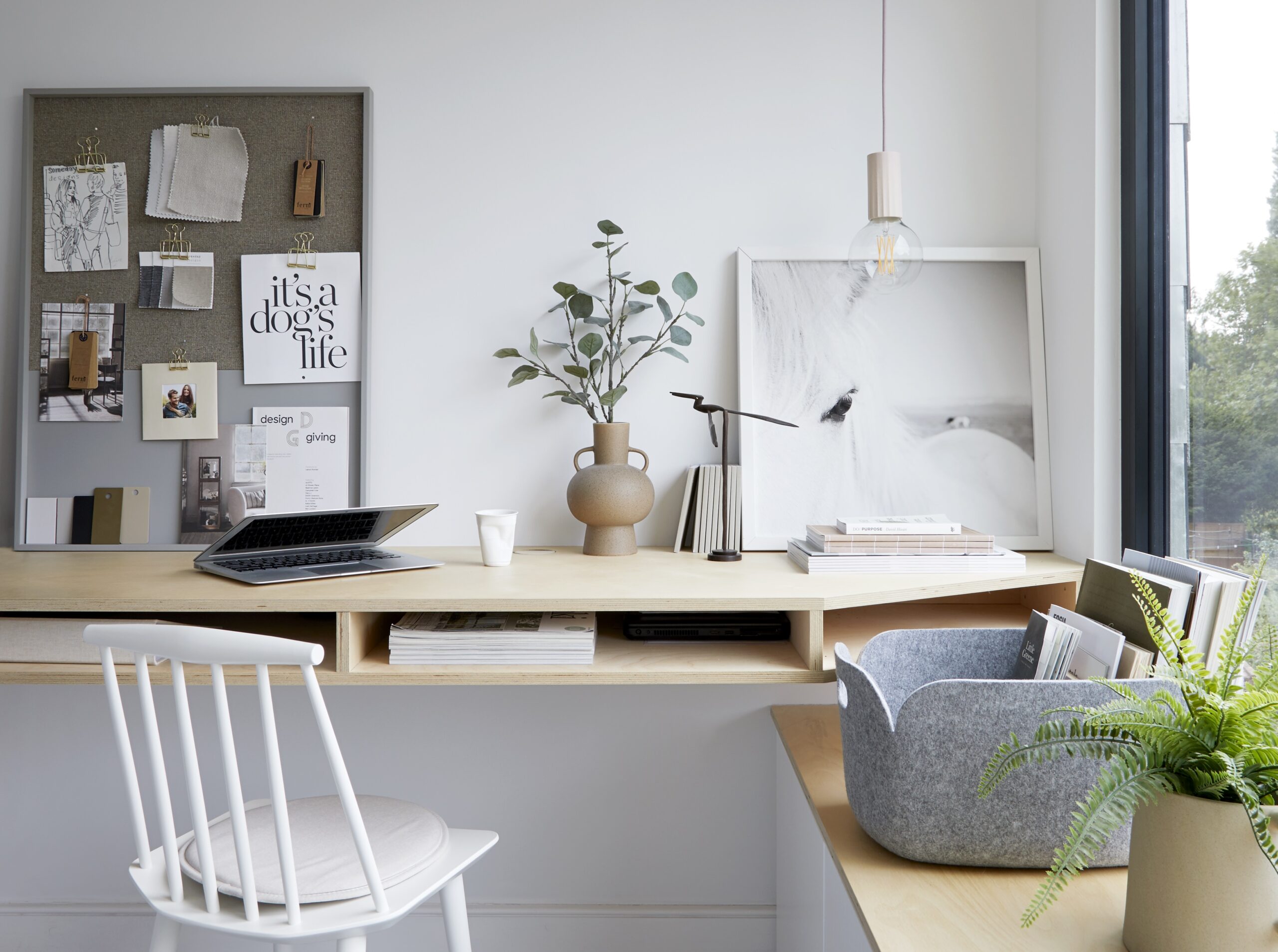
A clean and organized home can make everyday life easier, happier, and more comfortable. When everything has a proper place, you can find your belongings quickly and spend less time cleaning. However, keeping every room tidy can feel difficult, especially when you have a busy schedule. The good news is that you do not need expensive furniture or professional help to create an organized home. With a few simple habits and smart storage solutions, you can make your home look beautiful and feel more peaceful.
These home organization ideas will help you organize your bedroom, kitchen, bathroom, living room, closet, and other spaces. You will learn how to use baskets, shelves, drawers, boxes, and everyday household items to reduce clutter. Moreover, you will discover easy ways to keep your home organized without spending too much money. Even small changes can make a big difference when you follow them regularly.
The best way to organize your home is to start with one small area. For example, you can clean your kitchen drawer today and organize your bedroom closet tomorrow. This approach prevents you from feeling tired or overwhelmed. You should also remember that an organized home does not need to look perfect all the time. Instead, it should be easy to use, comfortable to live in, and simple to maintain. By following these practical tips, you can build better habits and enjoy a cleaner home every day.
Start With One Room at a Time
One of the easiest home organization ideas is to organize one room at a time. Many people make the mistake of trying to clean their entire home in one day. As a result, they become tired and leave several tasks unfinished. Instead, choose one room and focus on making it neat before moving to another area. You can start with your bedroom, living room, kitchen, or any space that needs attention. This simple method makes the process easier and helps you notice your progress.
Begin by looking around the room and identifying the areas that create the most clutter. You might notice clothes on a chair, books on a table, or small items scattered across a shelf. Pick up each item and decide where it belongs. Put dirty clothes in the laundry basket, return books to their shelves, and place small objects in suitable containers. After that, wipe the surfaces and arrange the remaining items neatly. When you finish, the room will look better without requiring a complete home makeover.
You can also make organizing easier by setting a short time limit. For example, spend 20 minutes cleaning your bedroom or 15 minutes arranging your kitchen counter. Short sessions fit into busy schedules and help you stay motivated. Furthermore, you can ask family members to organize their own belongings. When everyone helps, the work becomes faster and easier. Over time, this simple routine can turn home organization into a normal part of your daily life.
Declutter Your Home Before Organizing
Before buying storage boxes or shelves, take time to remove things you no longer need. Too many belongings can make even a large room feel small and crowded. Therefore, decluttering is an important first step in creating an organized home. Look through your closets, drawers, cabinets, and storage areas. You may find old papers, unused kitchen tools, broken toys, or clothes that no longer fit. Removing unnecessary items gives you more space and makes it easier to organize the things you want to keep.
A simple way to declutter is to divide your belongings into three groups. The first group contains items you use regularly. The second group contains things you no longer need but could donate, sell, or give away. The third group contains broken, expired, or unusable items that you can recycle or discard safely. Take your time when making these decisions, especially when an item has sentimental value. However, avoid keeping everything simply because you might use it someday. Focus on the items that serve a purpose or bring genuine value to your life.
You do not need to declutter your entire home in one day. Instead, remove five to ten unnecessary items from one area each day. Start with a kitchen drawer, a bathroom shelf, or a small section of your closet. Once you finish, move to another area. This gradual approach makes the process less stressful and helps you develop better habits. As a result, you will have fewer things to clean, more space to use, and a much easier time maintaining an organized home.
Use Storage Baskets to Reduce Clutter
Storage baskets are simple tools that can make your home look cleaner and more organized. They help you collect similar items in one place instead of leaving them scattered across tables, shelves, and floors. You can use baskets in almost every room, including the bedroom, living room, bathroom, and kitchen. For example, place a basket beside your sofa for blankets and magazines. In the bedroom, use one for accessories or small clothing items. In the bathroom, baskets can hold extra toiletries and other everyday products.
The best part about storage baskets is that they come in different shapes, sizes, and materials. You can choose woven baskets for a natural look, plastic baskets for easy cleaning, or fabric baskets for lightweight items. Before buying anything, measure your shelves and cabinets to make sure the baskets fit properly. You can also reuse boxes and containers you already have at home. This approach saves money and allows you to organize your belongings without purchasing expensive storage products.
To make your system more useful, give each basket a clear purpose. One basket might hold remote controls and chargers, while another stores children’s toys. You can add labels if several baskets look similar. However, avoid filling every basket with random items because this simply hides the clutter instead of solving the problem. Review the contents regularly and remove anything you no longer need. When each item has a proper place, cleaning becomes faster, and everyone in the family can help keep the home tidy.
Organize Your Bedroom for Better Sleep
Your bedroom should be a peaceful place where you can rest and relax after a busy day. However, piles of clothes, crowded bedside tables, and messy drawers can make the room feel stressful. Start by making your bed each morning because this small habit instantly makes the bedroom look neater. Next, put dirty clothes in a laundry basket and return clean clothes to the closet or drawers. You should also remove cups, papers, and other objects that do not belong in the bedroom.
Another useful idea is to keep your bedside table simple. Store only the things you need before sleeping or after waking up, such as a lamp, a book, a phone charger, or a small clock. If your drawers contain tangled accessories and mixed belongings, use dividers to separate them. You can place socks in one section, underwear in another, and small accessories in a separate compartment. These changes make it easier to find your belongings and prevent drawers from becoming messy again.
You can also make better use of the space under your bed. Flat containers can hold extra blankets, spare sheets, or seasonal clothing. If your bedroom is small, consider using wall shelves or hooks to store suitable items without taking up valuable floor space. Keep the floor clear so you can move around comfortably and clean the room easily. By following these home organization ideas, you can create a bedroom that feels welcoming, looks neat, and supports a relaxing bedtime routine.
Make the Most of Your Closet Space
A crowded closet can make getting dressed frustrating, even when you own plenty of clothes. You may struggle to find your favorite shirt because other items cover it. To solve this problem, remove everything you no longer wear or need. Donate suitable clothes that remain in good condition, and store seasonal items separately. Then, arrange your remaining clothes by type. Keep shirts together, place trousers in another section, and group dresses and jackets in their own areas.
You can also organize your closet by color if you want to find matching outfits more quickly. For example, arrange light-colored shirts together and place darker clothing in another section. Matching hangers can create a cleaner appearance, while shelf dividers help keep folded clothes in neat piles. If you have limited closet space, hanging organizers can hold scarves, bags, and other accessories. You can also use small boxes for belts, jewelry, and other items that might otherwise become tangled.
Another important tip is to keep frequently used clothes within easy reach. Place everyday outfits on accessible shelves or hangers, while seasonal clothing can go on higher shelves or inside labeled containers. However, make sure you can reach stored items safely. Review your closet every few months and remove anything that no longer fits your needs. A well-organized closet saves time each morning, protects your belongings, and helps you make better use of the space you already have.
Keep Your Kitchen Clean and Organized
The kitchen is one of the busiest rooms in most homes. You prepare meals, wash dishes, store groceries, and use many tools throughout the day. Because of these activities, clutter can quickly build up on countertops and inside cabinets. Start by removing items you rarely use from your counters. Keep everyday appliances, such as a coffee maker or toaster, nearby if you use them often. Store less frequently used equipment inside cabinets to create more working space.
Next, arrange your kitchen cabinets according to their purpose. Keep cooking tools near the stove, plates near the dining area, and baking supplies together in one section. Drawer dividers can separate spoons, forks, knives, and other utensils. You can also use a spice rack to keep seasonings easy to find. If you have several food containers, store their lids beside them or use a suitable organizer to prevent them from becoming mixed together. These small changes make cooking easier because you spend less time searching for what you need.
You should also create a simple routine for cleaning the kitchen after meals. Wash or load the dishes, wipe the counters, and return cooking tools to their proper places. Check your cabinets and pantry regularly to remove expired products and identify ingredients you should use soon. Moreover, make a shopping list before buying groceries so you do not purchase items you already have. With these practical home organization ideas, you can keep your kitchen cleaner, reduce food waste, and enjoy preparing meals in a more comfortable space.
Organize Your Refrigerator and Pantry
An organized refrigerator makes it easier to find ingredients and notice food before it expires. Start by checking each shelf and removing expired products. Clean spills and arrange similar items together. For example, group suitable drinks in one area and keep sauces and condiments together. Store foods according to their safety requirements and your refrigerator’s instructions. Different foods need different storage conditions, so avoid placing everything on the same shelf without considering its needs.
Your pantry also deserves a clear storage system. Keep similar ingredients together, such as rice, pasta, flour, cereal, and baking supplies. Clear, food-safe containers can help you see how much remains, while labels can identify the contents and important dates. However, always use suitable containers and follow safe food storage guidance. Place frequently used ingredients where you can reach them easily. Keep less frequently used items on higher shelves, provided you can access them safely.
A weekly pantry check can save money and prevent waste. Before shopping, look at what you already have and write down the items you actually need. Place older products toward the front when appropriate so you remember to use them first. Also, avoid buying large amounts of food simply because something is on sale. Purchase quantities that suit your household’s needs and storage space. These simple habits make grocery shopping easier and help keep your refrigerator and pantry neat throughout the year.
Create a Clutter-Free Living Room
The living room is a place where families relax, watch television, read books, and spend time together. However, because everyone uses this space, it can become messy quickly. Remote controls, magazines, toys, blankets, and chargers may end up on tables or sofas. Begin by deciding which items belong in the living room and which should go somewhere else. Return misplaced belongings to their proper rooms and clear surfaces that have become crowded.
Storage furniture can help you keep everyday items nearby without making the room look messy. For example, a storage ottoman can hold blankets, while a basket beside the sofa can collect magazines or toys. A small tray on the coffee table can keep remote controls in one place. If your family enjoys reading, arrange books on a shelf instead of leaving them in piles. These solutions help you maintain a comfortable room while making it easier to find the things you use regularly.
You should also avoid filling every surface with decorations. A few favorite photographs, plants, or decorative objects can make the room feel welcoming. However, too many items may create visual clutter and make dusting harder. At the end of each day, spend five minutes returning belongings to their places and folding blankets. Ask other family members to do the same. Over time, these small habits can keep your living room tidy without requiring a major cleaning session every weekend.
Make Small Bathrooms Easier to Organize
Bathrooms often have limited storage space, yet they contain many everyday products. Towels, soap, skincare products, hair tools, and cleaning supplies can quickly fill drawers and cabinets. Start by removing empty bottles and expired products. Next, group similar items together so you can find them easily. Keep daily essentials near the sink, while spare products can go inside a cabinet or a suitable storage basket.
Drawer organizers can help separate small items such as hair ties, brushes, and personal care products. You can also use baskets under the sink for extra toiletries and other suitable supplies. Wall shelves or towel hooks may provide more storage if your bathroom has enough space. However, secure shelves properly and keep electrical items away from water. Store medicines and cleaning chemicals safely, following their labels and keeping them out of children’s reach.
A simple daily routine can also make a big difference. After using the sink, wipe away water and return products to their proper places. Hang towels neatly instead of leaving them on the floor or counter. Once a week, check your cabinets and remove anything you no longer use. These bathroom organization ideas help create a cleaner space, make your morning routine easier, and reduce the time you spend searching for everyday products.
Organize Your Home Office or Study Desk
A tidy desk can make studying and working easier because you can focus on your tasks instead of looking through piles of supplies. Begin by removing everything from the desk and cleaning the surface. Then, return only the items you use regularly, such as your computer, notebook, pens, and charger. Keep frequently used supplies within reach, but move unnecessary objects to a drawer or shelf. This simple setup creates more space and makes your workspace feel comfortable.
Paperwork can also create clutter if you do not have a clear system. Use folders for bills, schoolwork, important documents, and work projects. Label each folder so you can find papers quickly. If you work with digital files, create folders on your computer and use clear file names. For example, you might keep personal documents in one folder and work projects in another. Remember to protect sensitive information and store important papers securely.
At the end of each workday, take five minutes to organize your desk. Put pens back in their holders, place papers in the correct folders, and return cups or dishes to the kitchen. You can also collect loose charging cables with suitable cable organizers. If you study at home, prepare the books and materials you need for the next day. These small actions help you begin your next session with a clean workspace and a clearer mind.
Use Vertical Storage to Save Space
When your home feels crowded, look at the space above your furniture. Walls can provide extra storage without taking up much floor space. For example, shelves can hold books, decorations, and storage baskets. Hooks can keep coats, hats, and bags off chairs. A tall bookcase can store many items in one area and make better use of a small room.
Vertical storage works especially well in small homes and apartments. You can install suitable shelves in a study area, use hanging organizers inside a closet, or add a wall rack for selected kitchen tools. However, choose storage solutions that suit your belongings and the room. Heavy items need secure support, and shelves must fit the wall correctly. If you rent your home, check whether you can make changes to the walls before installing anything.
Do not feel that you need to cover every empty wall with storage. Too many shelves can make a room look crowded. Instead, choose the areas where extra storage would make everyday tasks easier. Keep frequently used items at a comfortable height and store lighter, less frequently used belongings higher up. By using vertical space carefully, you can create more room for walking, cleaning, and enjoying your home.
Make Better Use of Under-Bed Storage
The space under your bed can be useful for storing belongings that you do not need every day. Instead of allowing this area to collect dust, use flat storage containers for suitable items. Extra bedding, seasonal clothing, and spare pillowcases are good examples. Before placing anything under the bed, clean the area and choose containers that fit comfortably without making it difficult to access your belongings.
Lidded containers can help protect stored items from dust. Labels can also tell you what each container holds, so you do not need to pull everything out when searching for something. If your bed has built-in drawers, use separate sections for different categories. For example, one drawer can hold extra sheets while another stores seasonal clothing. Avoid placing heavy items in containers that are difficult to pull out safely.
Under-bed storage is particularly helpful when your closet is small. However, do not use this space to hide belongings you no longer need. Review the containers every few months and remove unwanted items. Also, make sure the area stays clean and dry. A simple storage system can help you make better use of your bedroom while keeping everyday belongings organized and easy to find.
Create an Organized Entryway
Your entryway is the first area you see when you come home. It is also where shoes, keys, bags, coats, and mail often collect. Without a clear system, this small space can become messy very quickly. Start by deciding where each item should go. A shoe rack can hold everyday footwear, while a basket can collect items that need to be carried out of the house.
Hooks are useful for coats, jackets, and bags. You can also place a small tray on a shelf for keys and other daily essentials. If your home has enough space, add a bench with storage underneath. This gives you a comfortable place to sit while putting on shoes and provides extra room for suitable belongings. In a very small entryway, use wall-mounted storage to keep the floor clear.
Make it a habit to put things away as soon as you arrive home. Place keys in the tray, hang your bag on its hook, and arrange your shoes on the rack. Encourage family members to follow the same routine. These home organization ideas can prevent clutter from spreading into other rooms and make leaving the house easier each morning.
Keep Cables and Electronics Organized
Chargers, headphones, extension cords, and other electronic accessories can quickly become tangled. They may also create clutter around desks, televisions, and bedside tables. Start by collecting your cables in one place and identifying which devices they belong to. Remove damaged cables from use and recycle them through suitable electronic waste programs when available.
Use cable ties, clips, or cable sleeves to keep compatible cords together. Labeling each cable can also help you identify the correct charger when you need it. A small organizer or box can hold spare accessories, while a charging station can keep everyday devices in one convenient place. Make sure your setup allows proper ventilation and does not overload electrical outlets.
You should also review your electronic accessories regularly. Many homes contain old chargers, unused headphones, and cables for devices that people no longer own. Keep only what you need and store it safely. Never hide electrical connections in ways that can cause overheating or create a fire risk. With a simple cable management system, your workspace and entertainment area can look cleaner and work better.
Organize Children’s Toys and Games
Children often use several toys and games throughout the day. As a result, toys can spread across bedrooms, living rooms, and hallways. A simple storage system helps children find their favorite items and learn how to clean up after playing. Start by sorting toys into groups, such as building blocks, dolls, cars, puzzles, and art supplies. Remove broken toys and consider donating suitable items that children have outgrown.
Use open baskets or low shelves so children can reach their toys without difficulty. Clear containers work well for some items because children can see what is inside. However, choose storage that suits the child’s age and follow product safety guidance. Keep small pieces away from young children who may swallow them. Labels with pictures can help younger children identify where each toy belongs.
Create a short cleanup routine before bedtime or before starting a new activity. Ask children to return each toy to its assigned basket rather than putting everything into one large box. You can make cleanup fun by setting a short timer or turning it into a family activity. Over time, children can learn useful habits while keeping shared spaces safer and more comfortable.
Use Drawer Dividers for Small Items
Drawers often become messy because people place different items in the same space. Socks, underwear, batteries, pens, kitchen tools, and other small belongings can quickly mix together. Drawer dividers solve this problem by creating separate sections for different categories. They come in different sizes and materials, so you can choose options that fit your drawers.
Before adding dividers, empty the drawer and remove unnecessary items. Wipe the inside and group similar belongings together. Then, arrange the dividers so each section has a clear purpose. In a bedroom, you can separate socks from underwear. In the kitchen, dividers can keep utensils organized. At a desk, small compartments can hold paper clips, pens, and other supplies.
You do not always need to buy special organizers. Small boxes or clean containers may work well when they fit securely. However, avoid filling every section with items you rarely use. Leave enough room to remove belongings easily and return them without creating a mess. When each small item has a proper place, you can save time and keep drawers organized for longer.
Create a Family Command Center
A family command center is a central place for keeping track of schedules, reminders, shopping lists, and important daily information. It can be a small wall area in the kitchen, an entryway shelf, or a desk in a shared space. This system works especially well for busy households because everyone can check the same information instead of relying on memory.
You can use a calendar to record appointments, school events, birthdays, and other important dates. Add a notepad for groceries and a folder for papers that need attention. If family members have different schedules, use separate colors or clearly labeled sections. Keep the system simple so everyone understands how to use it. Avoid displaying private information where visitors or people outside the household can see it.
Review the command center once a week. Remove old notes, update the calendar, and check whether any tasks remain unfinished. You can also use a shared digital calendar if that works better for your family. The goal is to keep important information easy to find and reduce last-minute confusion. With a clear system, your household can stay more organized and manage daily responsibilities more smoothly.
Organize Cleaning Supplies in One Place
Cleaning becomes easier when you can find the supplies you need without searching through different rooms. Choose a suitable storage area, such as a cabinet, utility shelf, or designated cupboard. Keep similar products together and arrange frequently used supplies where you can reach them safely. If you have several cleaning tools, use a holder for brushes, cloths, and other accessories.
Check your cleaning products before organizing them. Remove empty containers and follow the label instructions for storing each product. Never mix cleaning chemicals unless the product instructions specifically allow it. Keep chemicals in their original containers whenever possible, and store them securely away from children and pets. Also, keep cleaning supplies separate from food and cooking equipment.
You can create a small cleaning basket for routine tasks, but only include products that are safe to store and carry together. Return every item to its proper place after cleaning. Review your supplies regularly so you do not buy products you already own. This simple approach keeps your storage area tidy and makes household cleaning faster and more convenient.
Use Labels to Keep Everything in Place
Labels make an organizing system easier to understand. When boxes, baskets, and containers have clear names, you can find items without opening every container. Labels are especially helpful in shared spaces, such as kitchens, closets, playrooms, and home offices. For example, you can label baskets for cleaning cloths, spare towels, office supplies, or children’s toys.
You do not need expensive labeling equipment. A marker and adhesive labels can work well for many containers. You can also use reusable labels if you often change what you store. Choose words that are easy to understand and keep the labels visible. If young children use the storage system, pictures alongside words can help them recognize where belongings belong.
However, labels work best when you maintain the system behind them. If you label a basket for scarves, avoid filling it with random household items. Return belongings to the correct container after using them. Review labels whenever you change the storage arrangement. This simple habit can reduce confusion, prevent clutter, and help every family member follow the same organization system.
Build a Simple Daily Cleaning Routine
You do not need to spend hours cleaning every day to maintain an organized home. A short daily routine can prevent small messes from becoming large problems. Start by choosing a few simple tasks, such as making the bed, wiping the kitchen counter, putting away clothes, and returning loose items to their places. These actions may take only a few minutes, yet they can make your home look much neater.
Choose a time that fits your schedule. Some people prefer to tidy up in the morning, while others find it easier after dinner. You can also divide tasks among family members. For example, one person can clear the table while another puts away the dishes. When everyone contributes, the work feels lighter and shared spaces stay organized more easily.
Try to finish each day with a quick reset. Walk through the main rooms, collect items that do not belong there, and return them to their proper locations. Avoid worrying about every small detail. Focus on the areas that affect your daily comfort the most. A realistic routine is more useful than a strict plan that becomes difficult to follow after a few days.
Organize Seasonal Clothing and Decorations
Seasonal belongings can take up valuable space when you keep everything in the same closet or cabinet. Winter coats, summer clothes, holiday decorations, and special bedding may not need to stay within easy reach throughout the year. Therefore, store items according to when you use them. Keep current-season clothing accessible and move suitable off-season belongings to clean, dry storage areas.
Before storing anything, check that clothes are clean and completely dry. Choose suitable containers that protect belongings from dust and moisture. Label each container clearly so you can identify its contents later. For decorations, group related items together and use appropriate packaging to protect fragile pieces. Store heavy containers where you can access them safely, and avoid placing large loads on weak shelves.
When the season changes, bring out the items you need and review what you stored. You may discover clothing that no longer fits or decorations you no longer want. Donate suitable belongings and recycle or discard unusable items responsibly. This regular review prevents storage areas from becoming crowded and helps you use your available space more effectively throughout the year.
Make Small Spaces Feel Bigger
Small homes can feel crowded when furniture, decorations, and everyday belongings take up too much space. However, you can make a small room feel more open by choosing storage carefully and keeping unnecessary items out of the way. Start by removing clutter from floors and tables. Then, arrange furniture so people can walk comfortably without moving around obstacles.
Multi-purpose furniture can help you make better use of limited space. For example, a storage ottoman can provide seating and hold blankets. A desk with drawers can offer a workspace and storage for supplies. Wall shelves can keep books off the floor, while hooks can hold bags and jackets. Choose furniture that fits the room rather than filling every available corner.
You can also use light colors, mirrors, and good lighting to make a room feel brighter, although these changes do not create extra physical space. Keep decorations simple and leave some surfaces open. Most importantly, avoid storing too many items in a small room simply because you have found a place for them. A comfortable space needs enough room for daily activities and movement.
Create a Home for Important Documents
Important documents can become difficult to find when you store them in different drawers and boxes. Bills, receipts, warranties, school records, and other papers may pile up over time. To avoid this problem, create a simple filing system. Use folders for different categories and label each one clearly. Keep documents you need regularly in an accessible but secure place.
You can also create digital copies of suitable documents. Store them in organized folders and use clear file names that help you identify them quickly. However, protect sensitive information with appropriate security measures. Keep original documents that require special care in a safe location, and follow any official instructions for retaining records. Do not discard important paperwork before checking whether you need it.
Set aside a few minutes each week to review new paperwork. Recycle unnecessary papers securely when appropriate, file documents you need to keep, and add reminders for bills or deadlines. This routine prevents piles from growing and helps you locate important information when necessary. A clear document system can reduce stress and make household administration much easier.
Organize Your Laundry Area
Laundry areas often become crowded with dirty clothes, clean clothing, detergents, and cleaning tools. A simple system can help you manage these tasks without letting laundry spread through the house. Start by placing a laundry basket in a convenient location. If your household produces different types of laundry, you can use separate baskets for light and dark clothing or other suitable categories.
Keep laundry products together on a stable shelf or in a designated cabinet. Store detergents according to their labels and keep them away from children and pets. Use a small container for clothespins or other accessories, and make sure the floor stays clear. If you have limited space, a wall-mounted shelf or a suitable hanging organizer can provide extra storage without taking up much room.
Try to complete each stage of laundry before starting another large load. Wash the clothes, dry them properly, fold them, and return them to their assigned drawers or closets. You do not need to finish everything at once, but avoid allowing clean clothes to remain in baskets for days. A regular laundry routine keeps clothing easier to find and prevents the laundry area from becoming another source of clutter.
Review Your Organization System Every Month
Even a well-organized home can become messy over time. Family needs change, new belongings arrive, and some storage systems stop working as well as they once did. Therefore, review your home organization system every month. Look at the areas that become cluttered most often and decide whether you need to change their arrangement.
For example, if your kitchen drawer keeps getting messy, you may need better dividers or fewer utensils. If shoes collect near the entrance, consider adding another suitable storage option or removing footwear that nobody uses. If your desk becomes crowded with paperwork, create a clearer filing routine. Focus on solving the reason behind the clutter instead of simply moving items somewhere else.
Use this monthly review to remove unwanted belongings, clean storage containers, update labels, and check your daily habits. Ask family members which systems work well and which areas need improvement. Remember that the best home organization ideas are the ones you can maintain without too much effort. Your goal is not to create a perfect home, but to build a practical space that supports your everyday life.
FAQs
1. What are the best home organization ideas for beginners?
Start by organizing one small area, such as a drawer, desk, or closet shelf. Remove unnecessary items and give the remaining belongings a proper place. Then, spend a few minutes each day maintaining the area. This simple approach helps beginners build good habits without feeling overwhelmed.
2. How can I organize my home on a small budget?
You can organize your home without buying expensive products. Reuse clean boxes, baskets, jars, and containers you already own. Declutter unused belongings, use existing shelves wisely, and create simple labels. Small changes can improve your home without requiring a large budget.
3. How do I keep my home organized every day?
Create a short daily routine that includes making your bed, putting away clothes, clearing countertops, and returning items to their proper places. Spend five to fifteen minutes tidying up each day. Ask family members to help so everyone shares responsibility.
4. How can I organize a small home with limited storage?
Use vertical space, under-bed containers, drawer dividers, and furniture with built-in storage. Remove belongings you no longer need and keep frequently used items easy to reach. Avoid filling every available space because open areas make your home easier to use.
5. How often should I declutter my home?
Try to remove unnecessary items regularly instead of waiting until clutter becomes a problem. A quick weekly review can help you manage everyday belongings, while a more detailed monthly review can help you organize closets, cabinets, and storage areas. Adjust the schedule to fit your needs.
Conclusion
Keeping your home organized does not need to be difficult or expensive. With the right habits, you can create a clean and comfortable space that works for your family.
