
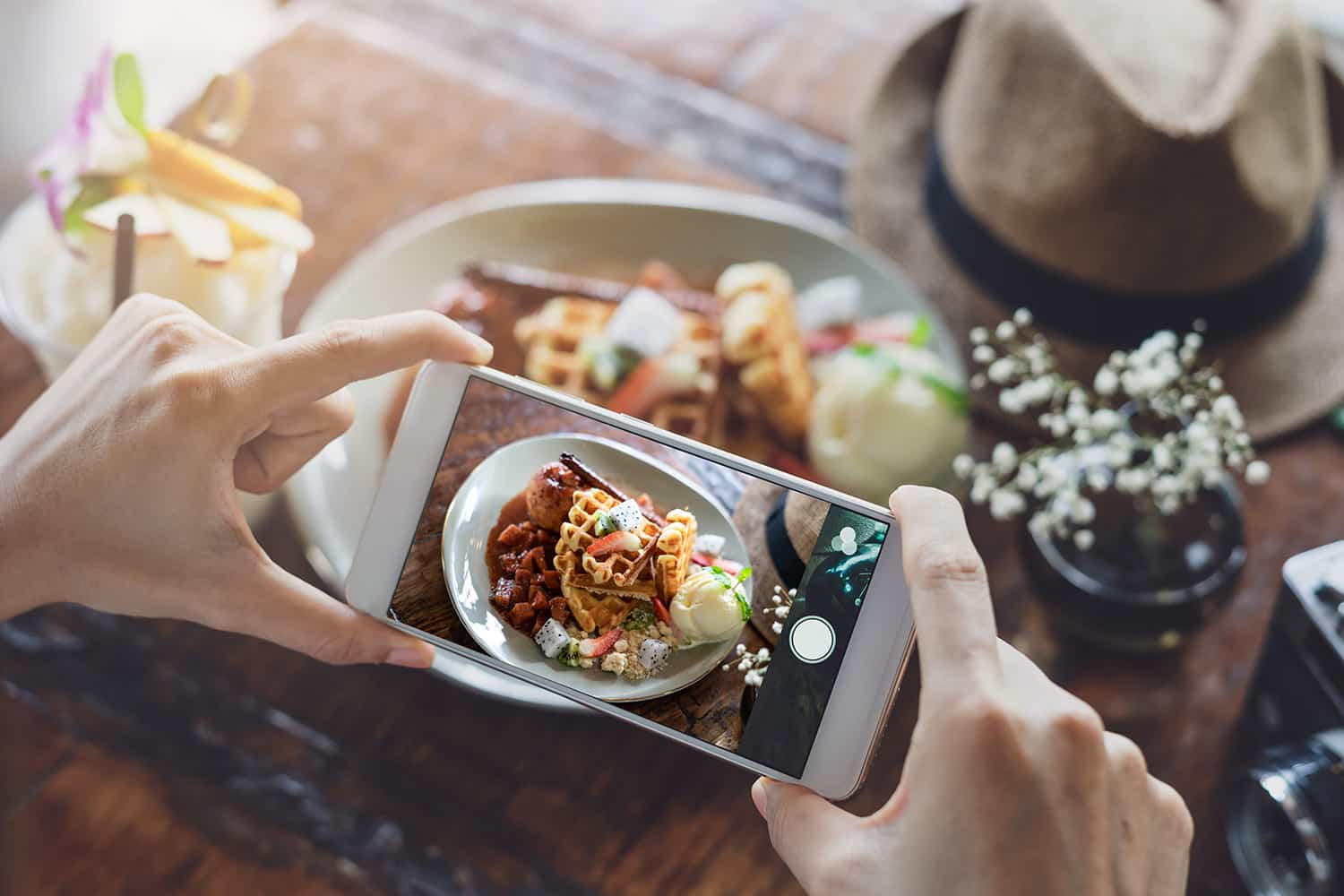
Food is one of the most popular topics on the internet. People search for recipes, cooking tips, meal ideas, restaurant reviews, and new dishes every day. This makes a food blog a great place to share useful information with food lovers. Whether you enjoy cooking at home, baking sweet treats, reviewing restaurants, or exploring traditional dishes, you can create a website around your passion.
A food blog can start as a simple hobby. You can share recipes that you already know and enjoy. Later, you can add more recipes, better photographs, cooking videos, helpful guides, and personal stories. The goal is not to make everything perfect from the beginning. Instead, focus on creating useful content that makes cooking easier for your readers. When visitors find your content helpful, they may come back for more.
There are many types of food websites online. Some focus on quick family dinners. Others focus on healthy meals, desserts, baking, street food, or traditional recipes. Some bloggers combine food with travel and share dishes from different places. Because there are so many choices, you can find a topic that fits your interests. With patience and regular work, your food blog can grow into a useful online brand.
What Is a Food Blog?
A food blog is a website that publishes content about food. This content can include recipes, cooking instructions, ingredient guides, kitchen tips, restaurant reviews, food stories, meal plans, and much more. The main goal is usually to help readers discover, prepare, understand, or enjoy food. A blog can focus on one topic or cover several related food subjects.
For example, a blogger may create a website about easy meals for busy families. The website could include simple pasta dishes, chicken dinners, quick breakfasts, and easy desserts. Another blogger may focus only on baking and publish recipes for cakes, cookies, bread, and pastries. Both websites are food blogs, but they serve different audiences and have different content goals.
A successful food blog usually has a clear style and purpose. Readers should understand what they can expect when they visit. Good organization also makes a big difference. Categories, search boxes, recipe indexes, clear menus, and helpful links allow visitors to find information quickly. When a website is easy to use, readers are more likely to spend time exploring it.
Why Start a Food Blog?
There are many good reasons to start a food blog. First, food offers almost endless content ideas. You can write about breakfast, lunch, dinner, snacks, desserts, drinks, cooking methods, ingredients, and kitchen equipment. You can also create seasonal content for holidays and special events. This gives you many opportunities to keep publishing new articles.
A food website also gives you a chance to show your personality. Two people can prepare the same dish, but their experiences may be very different. You can explain how you prepare the meal, what ingredients you prefer, and what mistakes you learned from. Personal experiences can make your content feel friendly and useful. Readers often enjoy learning from someone who speaks in a natural and honest way.
In addition, a food blog can become a source of income. However, this usually takes time. Bloggers may eventually earn money through advertisements, affiliate marketing, sponsored content, digital cookbooks, meal plans, courses, or other products. Before thinking about money, focus on building trust. A website with useful content and loyal readers has a stronger foundation for future growth.
Choosing the Right Food Blog Niche
Choosing the right niche can make your food blog easier to manage. A niche is the main area that your website focuses on. You could create a general food website, but starting with a clear topic can help you attract a specific audience. It can also make planning your content much easier.
Think about the food topics you enjoy. Maybe you love baking cakes and cookies. Perhaps you enjoy preparing healthy meals. You may know many traditional family recipes. You could also focus on cheap meals for students, quick recipes for busy workers, vegetarian dishes, or easy meals for children. The best niche is one that you can continue writing about for a long time.
Some popular food blog niches include:
- Easy family recipes
- Healthy meals
- Baking recipes
- Dessert recipes
- Vegetarian recipes
- Vegan food
- Budget-friendly meals
- Quick dinner ideas
- Air fryer recipes
- Slow cooker recipes
- Traditional food
- Street food
- Restaurant reviews
- Food travel
- Kids’ recipes
You can also combine two related topics. For example, you could create a blog about healthy family meals. Another idea is a website about budget-friendly baking. Combining related topics can help you create a unique identity without making your website too broad.
How to Start a Food Blog
Starting a food blog may look complicated, but you can break the process into simple steps. First, decide what your website will focus on. Then, choose a memorable name that fits your topic. Try to keep the name simple and easy to spell. A complicated name can be difficult for readers to remember.
After choosing your name, set up your domain and hosting. Then, install your blogging platform and choose a clean design. Your website does not need a fancy appearance when you start. Instead, focus on readability and speed. Make sure your recipes are easy to find and that your website works well on phones, tablets, and computers.
You should also create important pages before publishing many articles. An About page can explain who you are and what your website offers. A Contact page gives readers a way to reach you. You may also need privacy and other legal pages. Once the basic setup is complete, start publishing useful recipes and guides that match your chosen niche.
Creating Useful Food Content
Content is the heart of every successful food blog. Your readers visit because they want information. They may want to learn how to cook something, find a recipe, choose an ingredient, or solve a kitchen problem. Therefore, every article should give them a clear reason to stay and read.
When creating a recipe, provide all the important details. Tell readers what ingredients they need and how much of each ingredient to use. Explain the cooking steps in the correct order. Include preparation time, cooking time, serving size, and storage information when useful. These small details can make a recipe much easier to follow.
You should also add helpful tips based on real cooking experience. For example, explain how to avoid burning food or how to know when a cake is ready. You can mention ingredient substitutions when they make sense. You can also explain how to store leftovers. These details can make your content more valuable than a basic ingredient list.
Writing Better Recipe Posts
Recipe writing should be clear and organized. Readers may be looking at your page while standing in the kitchen. They should not have to read a huge block of confusing text to understand what to do next. Use clear headings, numbered steps, ingredient lists, and useful notes.
Start with a short introduction that explains the recipe. Tell readers why they may enjoy it. For example, you can mention that the meal is quick, affordable, filling, or suitable for a family dinner. Then provide the recipe details. Keep the instructions simple and explain one main action at a time.
You can also include information about preparation and storage. Tell readers whether they can prepare the recipe ahead of time. Explain how long leftovers may last when appropriate. If freezing works well, mention that too. Helpful information can turn a basic recipe into a complete guide that readers want to save and share.
Using High-Quality Food Photos
Photos play a major role in a food blog. People eat with their eyes first, especially when they discover food online. A bright and clear photograph can make a recipe look more appealing. It can also show readers what they should expect when they finish cooking.
You do not need the most expensive camera to begin. A modern smartphone can take good food pictures when you use enough light. Natural light near a window can work very well. Try different angles and backgrounds until you find a style that looks good with your food.
You can also photograph important cooking steps. Step-by-step pictures can help beginners understand the process. However, do not add many nearly identical pictures just to make an article longer. Each image should have a purpose. Compress your images before uploading them so your pages can load quickly.
Food Blog SEO Basics
SEO is important if you want people to discover your food blog through search engines. SEO stands for search engine optimization. It involves improving your website and content so search engines can understand your pages and show them to people searching for related information.
Start with keyword research. Find phrases that people use when looking for recipes and food information. Then, create content that genuinely answers those searches. Your main keyword can appear in the title, introduction, headings, URL, and other natural locations. However, do not force the keyword into every sentence.
Good SEO is not only about keywords. Search engines also look at content quality and usefulness. Your page should answer the reader’s question clearly. It should also be easy to read and navigate. Fast loading pages, mobile-friendly design, useful internal links, and descriptive images can also improve the overall experience.
Finding Keywords for a Food Blog
Keyword research can give you many ideas for your food blog. Instead of guessing what people want, you can discover the phrases they search for. This can help you create content that matches real questions and interests.
For example, a broad phrase such as “chicken recipes” can cover thousands of ideas. A more specific phrase like “easy chicken dinner for busy families” gives you a clearer topic. Specific searches can sometimes be easier for smaller websites to target because they have less competition.
You can also find keywords based on questions. People search phrases such as “how long to bake chicken,” “how to make soft cookies,” or “what can I make with potatoes.” These questions can become useful articles. Answering simple questions can bring visitors who need exactly the information you provide.
Creating a Food Blog Content Calendar
A content calendar can help you stay consistent. Without a plan, it is easy to publish random topics or forget important seasonal opportunities. A simple calendar lets you decide what you will publish each week before you start writing.
You could plan four recipes each month. For example, week one could focus on breakfast. Week two could feature a dinner recipe. Week three could cover a dessert. Week four could include a cooking guide. This creates variety while keeping your website organized.
Seasonal planning can also help. Before summer arrives, create recipes for cold drinks, salads, and light meals. Before winter, publish soups, warm desserts, and comfort food. You can also prepare holiday recipes several weeks early. Planning ahead gives search engines and readers time to discover your content.
Growing Your Food Blog Audience
Growing a food blog takes patience. Your first articles may not get many visitors. That does not mean they failed. New websites often need time to build authority and attract search traffic. Keep improving your content instead of becoming discouraged by slow early results.
Social media can also help you reach more people. Share attractive food photos, short recipe videos, cooking tips, and links to your website. A single recipe can become several pieces of content. You could create a full article, a short video, a photo post, and an email from the same recipe.
Email marketing can be useful too. Invite readers to join your email list if they want new recipes and updates. You can send weekly recipe ideas or special collections. Unlike social media followers, an email list gives you a more direct way to communicate with people who already enjoy your content.
Using Social Media for a Food Blog
Social media and a food blog can work well together. Food is highly visual, so photographs and videos can catch attention quickly. A short video showing a recipe from beginning to end can encourage viewers to visit your website for the full instructions.
Try to create content that people want to save. Recipe cards, cooking tips, ingredient guides, and meal ideas can all be useful. You can also ask simple questions to encourage conversation. For example, ask readers about their favorite breakfast or their favorite homemade dessert.
Do not try to become perfect on every social platform. Start with one or two platforms that fit your audience. Learn what your readers enjoy. Then improve your content based on those results. Consistency usually matters more than posting a large amount of content for a short time.
Building Trust With Your Readers
Trust is very important for any food blog. People want recipes that they can actually use. If a recipe does not work, readers may stop trusting the website. Therefore, test your recipes before publishing them whenever possible.
Write down your ingredients and cooking steps during testing. Pay attention to cooking times and temperatures. Try the recipe more than once when necessary. If you discover a mistake, correct it quickly. Honest updates can help protect your relationship with readers.
You should also explain your experience when it is useful. Tell readers why you recommend a particular ingredient or cooking method. If a recipe has a common problem, warn them about it. Helpful honesty can make your website feel more reliable and personal.
Adding Personal Stories to Your Food Blog
Personal stories can give your food blog its own voice. Recipes are important, but readers may also enjoy learning about the person behind them. A story about a family meal or childhood memory can make a recipe feel more meaningful.
You do not need to write a long story before every recipe. A few useful paragraphs can be enough. Explain how you discovered the recipe or why you enjoy making it. You can also share a small lesson you learned while preparing the dish.
Your personality can help your website stand out. Many websites may publish similar recipes, but your writing style and experiences are unique. Be friendly and honest. Write as if you are helping someone in your own kitchen.
Making Your Food Blog Easy to Use
A food blog should be easy to navigate. Readers should find recipes without clicking through many confusing pages. Use clear categories such as breakfast, dinner, desserts, drinks, and snacks. A search box can also help visitors find specific recipes quickly.
Make sure your text is easy to read. Use short sentences and clear headings. Break large sections into smaller parts when needed. Add bullet points for ingredients and numbered lists for cooking steps. These simple changes can make a big difference for readers.
Your website should also work well on mobile devices. Many people use their phones while shopping for ingredients or cooking. If the page is slow or difficult to read, they may leave. Therefore, test your website on different screen sizes and fix problems as you find them.
How to Make Your Food Blog Stand Out
The internet has many food websites, so finding your own style can help. You do not need to create completely new types of food. Instead, think about how you can explain familiar recipes in a more useful way.
You could focus on simple recipes for beginners. You could create budget-friendly meal plans. You could explain complicated cooking terms in easy language. You could also specialize in recipes that use common ingredients. Your unique approach can become part of your brand.
Your photos, writing style, recipe format, and topics can also create a recognizable identity. Keep your style consistent across your website. Over time, readers may begin to recognize your content before they even see your name.
Common Food Blog Mistakes to Avoid
New bloggers often make simple mistakes. One common mistake is publishing content without a clear purpose. Every article should help the reader in some way. Avoid writing articles just because you need something new to publish.
Another mistake is ignoring recipe testing. A recipe may look good on paper but fail in a real kitchen. Test it before publishing whenever possible. Also, check spelling, measurements, cooking times, and ingredient names carefully.
Some bloggers also focus too much on SEO. Keywords are useful, but your readers come first. Do not repeat the same phrase again and again. Write naturally and provide helpful information. Good content should sound like it was written for people, not only for search engines.
Ways to Make Money From a Food Blog
Once your food blog has a steady audience, you can explore different income options. Advertising is one common method. Websites can display advertisements and earn money based on traffic and engagement.
Affiliate marketing is another option. You can recommend cooking tools, kitchen equipment, books, or other products that are useful to your readers. If someone makes a purchase through an eligible affiliate link, you may earn a commission. Always be clear about affiliate relationships.
You can also create your own products. A digital cookbook, meal planner, recipe collection, or cooking guide can become a useful product. Some experienced bloggers also offer courses or memberships. The best option depends on your audience and the type of content you create.
How Long Does It Take to Grow a Food Blog?
There is no exact timeline for growing a food blog. Some websites get attention quickly, while others need much more time. Your results can depend on your niche, content quality, SEO strategy, competition, promotion, and consistency.
Do not judge your website after only a few weeks. Instead, look at your progress over several months. Check which articles receive traffic. See which recipes get the most clicks and shares. Then create more content around topics that perform well.
Growth is often a slow process. However, every useful article can become another way for readers to discover your website. Keep improving old content too. Update outdated information, improve pictures, add helpful tips, and make recipes easier to follow.
The Future of Food Blogging
The future of the food blog continues to offer many opportunities. People will always need food ideas. They will search for recipes, cooking instructions, meal plans, ingredient information, and restaurant recommendations.
Video is becoming an important part of food content. Short cooking clips can show techniques that are difficult to explain with words alone. However, written recipes remain useful because readers often want to check ingredients and instructions quickly.
A strong food website can combine different types of content. You can use written guides, photographs, videos, printable recipes, newsletters, and social media. By giving readers useful information in different formats, you can build a stronger relationship with your audience.
FAQs
1. What is a food blog?
A food blog is a website that shares food-related content. It can include recipes, cooking tips, restaurant reviews, food stories, meal plans, and ingredient guides.
2. Can anyone start a food blog?
Yes. Almost anyone can start one. You can begin with simple recipes and improve your website as you gain experience.
3. How can a food blog make money?
A food blog can earn money through advertisements, affiliate marketing, sponsored content, digital products, cookbooks, courses, and other services.
4. Do food blogs need good pictures?
Good pictures can make recipes more attractive. You do not need expensive equipment, though. A smartphone and good natural light can help you create useful food photos.
5. How often should I publish on my food blog?
There is no single perfect schedule. The most important thing is consistency. Choose a schedule you can maintain while still creating useful and well-tested content.
Conclusion
Starting a food blog can be an exciting journey. You can turn your love for food into useful content that helps people cook, bake, plan meals, and discover new dishes. You do not need to know everything when you begin. Start small, learn as you go, and improve your website with every new article.
The most important part is to focus on your readers. Give them clear recipes, helpful tips, useful photographs, and honest information. Use SEO to help people discover your content, but always write for real people first. Also, keep your website organized and easy to use.
With time, patience, and consistent work, your food blog can grow into a trusted online resource. You may even turn it into a business in the future. Keep testing recipes, learning new skills, updating old posts, and creating content that solves real problems. Most importantly, enjoy the process and let your passion for food guide your work.
