
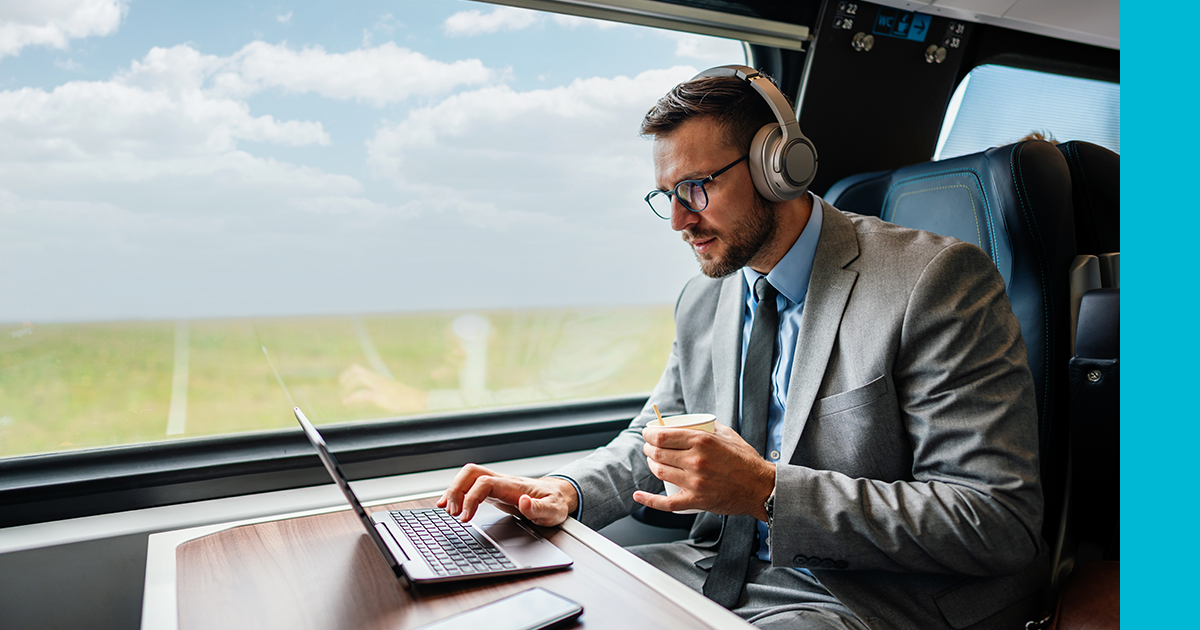
Business travel plays an important role in the modern business world. Many people travel for work, attend meetings, meet new clients, and visit company offices. Some employees travel to other cities, while others visit different countries. These trips help businesses build relationships, share ideas, and find new opportunities.
Today, business travel is common in many industries. For example, sales teams visit customers to explain products and services. Managers travel to meet their teams and discuss company goals. Entrepreneurs also travel to find business partners and learn about new markets. As a result, business travel helps people connect with others and grow their careers.
However, a successful business trip needs good planning. Travelers must manage their time, book suitable hotels, arrange transportation, and prepare important documents. They also need to understand their travel budgets. With the right preparation, business travel can become easier, safer, and more productive.
In this guide, you will learn about business travel, its benefits, planning methods, useful tools, common challenges, and simple ways to make every work trip successful.
What Is Business Travel?
Business travel means traveling away from your usual workplace for work-related reasons. It can involve a short visit to a nearby city or a long international journey. Companies often arrange these trips when employees need to meet customers, attend events, or complete tasks that require face-to-face communication.
For example, a company employee might travel to another city to meet a new customer. A business owner might visit a trade show to discover new products. Similarly, a manager might fly to another country to meet workers at a different office. These activities all fall under business travel.
Unlike a holiday, business travel usually has specific goals. Travelers must complete their work while managing their travel schedules. Sometimes, they also have free time to explore the destination. Nevertheless, work remains the main purpose of the trip.
Business travel can include several activities:
- Attending meetings with clients or business partners.
- Visiting company offices and factories.
- Participating in conferences and trade shows.
- Training employees in different locations.
- Negotiating contracts and business deals.
- Meeting suppliers and checking products.
- Building relationships with customers.
- Exploring new markets and business opportunities.
Therefore, business travel is more than moving from one place to another. It helps companies maintain relationships, solve problems, and achieve important business goals.
Why Is Business Travel Important?
Business travel allows people to communicate in person. Although emails and video calls are useful, some discussions work better during face-to-face meetings. People can ask questions, explain ideas, and understand each other’s needs more clearly.
Furthermore, personal meetings can help build trust. When business partners meet in person, they have more chances to understand each other’s goals. This can support stronger relationships over time. For example, a sales manager who visits an important customer may learn more about the customer’s problems and suggest better solutions.
Business travel can also help companies understand new markets. A business owner who visits another country can observe local shopping habits, meet suppliers, and study customer needs. This information may help the company make better decisions before investing money in a new market.
Here are some important reasons why businesses arrange work trips:
- Better communication: Employees can discuss complex issues directly.
- Stronger relationships: In-person meetings can help build trust.
- New opportunities: Travelers can meet potential customers and partners.
- Employee training: Workers can learn new skills from experienced teams.
- Market research: Companies can study local customers and competitors.
- Problem-solving: Teams can work together to solve difficult issues.
As you can see, business travel can support company growth. However, businesses should plan each trip carefully to make sure its purpose justifies the cost.
Different Types of Business Travel
Business travel takes many forms. The type of trip depends on the employee’s role, company goals, destination, and schedule. Some trips last only a few hours, while others continue for several weeks.
Understanding the different types of business travel helps companies choose the right arrangements. It also helps employees prepare for their specific responsibilities.
1. Domestic Business Travel
Domestic business travel takes place within the same country. For example, an employee in Karachi might travel to Lahore for a meeting. Another worker might visit Islamabad to attend a company event.
These trips often require less preparation than international journeys. Travelers usually do not need international visas. However, they still need to arrange transportation, accommodation, meals, and meeting schedules.
2. International Business Travel
International business travel involves visiting another country for work. Employees may attend global conferences, meet overseas clients, or visit international company offices.
These trips require additional preparation. Travelers may need passports, visas, travel insurance, and information about local customs. They should also check entry rules before leaving.
3. Conference and Event Travel
Many professionals travel to attend conferences, exhibitions, and trade shows. These events bring people from different companies and industries together.
During these trips, employees can learn about industry changes, discover new products, and meet potential partners. Therefore, travelers should research the event before attending and prepare questions for important speakers.
4. Sales and Client Visits
Sales employees often travel to meet customers and explain their products. They may also visit existing clients to discuss problems or renew contracts.
These visits can help employees understand customer needs. However, travelers should review customer information and prepare clear meeting goals before arriving.
5. Training and Team Travel
Companies sometimes send employees to another office for training. They may also arrange team trips for planning sessions and workshops.
These trips can help employees share knowledge and learn new methods. In addition, they can improve communication between departments.
How to Plan a Successful Business Travel Trip
Good planning makes business travel less stressful. It helps employees avoid delays, control costs, and focus on their main responsibilities. Before booking anything, travelers should understand why they need to travel and what they must accomplish.
Start by writing down the main purpose of the trip. Next, list the people you need to meet and the tasks you must complete. Then, estimate the time and money required for each activity.
For example, if you need to meet three clients in another city, arrange the meetings before departure. Choose a hotel that offers easy access to their offices. This simple step can reduce travel time and help you stay on schedule.
Follow these steps to plan business travel effectively:
- Set clear goals: Decide what you want to achieve during the trip.
- Confirm meeting dates: Contact clients and colleagues before booking.
- Create a budget: Estimate transportation, hotel, meals, and other costs.
- Book transportation: Compare suitable flights, trains, or road travel.
- Choose accommodation: Find a hotel near your meetings when possible.
- Prepare documents: Check identification, tickets, visas, and reservations.
- Build an itinerary: Organize meetings, travel times, and important tasks.
- Review everything: Confirm bookings and check for schedule changes.
Finally, keep your plans flexible. Flights may change, traffic may cause delays, and meetings may take longer than expected. Leaving extra time between important activities can help you manage these problems.
Creating a Business Travel Budget
A travel budget helps companies control spending. Without a clear budget, employees may spend more than expected on hotels, transportation, meals, and other services.
First, estimate the main costs. These usually include tickets, accommodation, local transportation, meals, and conference fees. You should also consider internet access, parking, baggage charges, and other possible expenses.
Next, compare different options. A hotel near the meeting location may cost more per night, but it could reduce taxi fares. Similarly, a flight with a convenient schedule may save valuable working hours. Therefore, the cheapest option does not always create the lowest total cost.
A useful business travel budget should include:
- Airfare, train tickets, or fuel expenses.
- Hotel rooms and accommodation taxes.
- Airport transfers and local transportation.
- Meals and reasonable daily expenses.
- Conference and event registration fees.
- Travel insurance, where appropriate.
- Internet access and business communication costs.
- Emergency expenses and unexpected charges.
Companies should also explain their spending rules before employees leave. For example, workers need to know which expenses the company will cover and whether they must use approved booking services.
After the trip, employees should submit receipts and expense reports. This process helps the finance team track costs and prepare accurate records.
Choosing the Right Transportation for Business Travel
Transportation can affect the entire trip. The right choice depends on distance, cost, comfort, and available time. Therefore, travelers should compare options before making a reservation.
Air Travel
Air travel can save time when visiting distant cities or other countries. However, travelers must consider airport transfers, security checks, baggage rules, and possible delays.
Whenever possible, choose a flight that allows enough time to reach important meetings. If the meeting starts early, arriving the previous evening may reduce stress.
Train Travel
Trains can offer a comfortable way to travel between connected cities. On some routes, employees can read documents or work during the journey.
However, train schedules and travel times vary by destination. Check the timetable before booking and make sure the station is convenient for your final destination.
Road Travel
Cars, taxis, buses, and rental vehicles can help travelers reach places that trains and planes do not serve directly.
For short distances, a taxi or rideshare service may be practical. For longer road trips, travelers should consider fuel costs, traffic, road conditions, and rest breaks.
Choosing the Best Option
When comparing transportation, consider the total journey rather than the ticket price alone. A cheaper flight might involve a long layover. A train might take longer but provide easier access to the city center.
The goal is to choose a suitable option that supports your schedule, budget, and work requirements.
How to Choose a Hotel for Business Travel
A suitable hotel can make business travel much easier. Travelers need a clean room, a comfortable place to rest, and convenient access to meetings. Depending on their needs, they may also require a workspace and reliable internet.
Location should be one of your first considerations. A hotel near the meeting venue can reduce transportation costs and save time. However, compare the full price before booking. Taxes, parking, breakfast, and other services may increase the final bill.
Before choosing accommodation, check the following features:
- Reliable Wi-Fi for emails and online meetings.
- A desk or suitable workspace.
- Convenient access to offices and event venues.
- Clear check-in and check-out times.
- Breakfast or nearby dining options.
- Safe luggage storage.
- Suitable cancellation policies.
- Access to public transportation.
Furthermore, read recent guest reviews and check the hotel’s business facilities. If you need to join online meetings, confirm that the internet connection can support video calls.
A good hotel does not have to be expensive. Instead, choose accommodation that meets your needs and fits the company’s travel policy.
Packing Tips for Business Travel
Packing correctly helps travelers feel prepared and confident. Forgetting a charger, important document, or business outfit can create unnecessary problems.
Start by checking the weather at your destination. Then, review your itinerary to understand what you need for each day. A conference may require formal clothing, while a factory visit might require comfortable shoes and safety equipment.
Try to pack only what you need. A smaller bag can make airport travel easier and reduce the risk of lost luggage. However, never leave essential work items behind just to save space.
Your business travel packing list may include:
- Passport or other required identification.
- Flight tickets and hotel confirmation.
- Laptop, tablet, and phone.
- Chargers, adapters, and power banks.
- Business clothing and comfortable shoes.
- Meeting notes, documents, and business cards.
- Personal medication and basic toiletries.
- Headphones and a notebook.
- Travel insurance details and emergency contacts.
Keep important documents and valuable devices in your carry-on bag when possible. Also, save digital copies of essential travel information in a secure location.
Before leaving home, check your packing list one final time. This small habit can prevent many common travel problems.
Essential Business Travel Technology and Apps
Technology can make business travel easier to manage. Travelers can use digital tools to organize schedules, communicate with colleagues, store documents, and track expenses.
For example, calendar apps help employees remember meetings. Mapping apps provide directions to hotels and offices. Airline apps can show flight updates and boarding information.
Communication tools also play an important role. Employees can use approved video meeting platforms to join remote discussions when they cannot meet someone in person. Cloud storage can help them access work documents from different locations.
Useful technology categories include:
- Calendar apps: Organize meetings and reminders.
- Mapping apps: Find routes and estimate travel times.
- Airline apps: Check bookings and flight updates.
- Expense tools: Record spending and organize receipts.
- Communication apps: Send messages and join online meetings.
- Cloud storage: Access approved business files.
- Translation tools: Understand common words in another language.
- Password managers: Store passwords securely.
However, travelers should protect company information. Use strong passwords, enable multifactor authentication, and follow company security rules. Avoid opening sensitive work files on unfamiliar devices.
Public Wi-Fi can create security risks. When possible, use a trusted connection or a company-approved virtual private network. Also, lock your devices whenever you leave them unattended.
Business Travel Etiquette and Professional Behavior
Professional behavior matters during business travel. Employees represent their company when they meet customers, attend events, and visit other offices.
First, arrive on time. If traffic or another delay affects your schedule, inform the other person as soon as possible. Respecting other people’s time helps meetings run smoothly.
Next, communicate clearly and politely. Listen carefully, ask useful questions, and avoid interrupting others. Even when people disagree, they should discuss problems with respect.
International business travel also requires cultural awareness. Customs, greetings, meal habits, and meeting styles can differ between countries. Researching these differences can help you avoid misunderstandings.
Follow these simple rules:
- Dress appropriately for the meeting or event.
- Arrive early when possible.
- Keep your phone quiet during meetings.
- Listen carefully to other people’s ideas.
- Respect local customs and workplace rules.
- Protect confidential company information.
- Follow up on important promises after meetings.
- Thank hosts and business partners for their time.
Remember that small actions can make a lasting impression. Being prepared, respectful, and reliable helps you build stronger professional relationships.
How to Stay Healthy During Business Travel
Frequent business travel can affect sleep, energy, and daily routines. Long flights, busy schedules, and unfamiliar meals may leave travelers feeling tired.
Fortunately, simple habits can help. Drink enough water, eat balanced meals, and try to get regular sleep. If you travel across time zones, adjust your sleep schedule gradually when practical.
Physical movement is also important. During long journeys, take safe opportunities to stand, stretch, or walk. When possible, choose a short walk instead of spending every free moment sitting in your hotel room.
Here are some useful ways to care for yourself:
- Drink water throughout the day.
- Eat regular meals and healthy snacks.
- Get enough sleep before important meetings.
- Stretch during long journeys when safe.
- Carry necessary personal medication.
- Allow time to rest between major activities.
- Avoid scheduling every minute of the day.
- Follow local health and safety advice.
Moreover, remember that rest supports good work. A tired traveler may find it harder to concentrate or make decisions. Therefore, plan a realistic schedule instead of trying to complete too many tasks in one day.
Common Business Travel Challenges and Their Solutions
Business travel can bring unexpected problems. Flights may be delayed, luggage may go missing, and meetings may change at the last minute. However, good preparation can reduce the impact of many difficulties.
Flight Delays and Cancellations
A delayed flight can affect meetings and hotel arrangements. To reduce the risk, monitor flight updates and keep important contact details nearby.
If a delay occurs, contact the airline and inform anyone waiting for you. Keep copies of your booking details and understand the airline’s current rules for changes or refunds.
Lost or Delayed Luggage
Lost luggage can become a problem when it contains business clothing or work equipment. Keep essential documents, medication, and important devices in your carry-on bag.
You should also label your luggage and keep a record of its appearance. If the airline delays your bag, report it promptly and follow its instructions.
Unexpected Expenses
Travel costs may rise because of last-minute bookings, transportation changes, or additional hotel charges. A realistic budget and emergency allowance can help manage these situations.
Keep receipts and follow company rules before approving extra spending. If an expense requires permission, contact the responsible manager as soon as possible.
Meeting Changes
Clients sometimes change meeting times or locations. Therefore, keep your schedule organized and leave some flexibility between appointments.
Confirm important meetings before departure. Also, maintain contact details for the people you plan to meet.
Feeling Tired or Stressed
A busy itinerary can leave travelers with little time to rest. To prevent this, group meetings by location and avoid unnecessary journeys across the city.
Whenever possible, include breaks in your schedule. A well-planned trip should support both work performance and personal well-being.
How to Make Business Travel More Productive
Productive business travel begins before departure. Travelers should prepare for meetings, organize documents, and decide which tasks deserve the most attention.
Before each meeting, review the agenda and write down your main questions. If you need to present information, check your slides and supporting files in advance. This preparation helps you use meeting time wisely.
During the trip, record important decisions and action points. For example, if a customer requests a new proposal, write down the deadline and the details they expect. This makes follow-up easier after you return.
Try these practical methods:
- Set one or two main goals for each day.
- Prepare meeting notes before leaving.
- Group nearby appointments together.
- Use travel time for suitable work tasks.
- Take short breaks to maintain focus.
- Record decisions and deadlines immediately.
- Send follow-up emails after important meetings.
- Review your progress at the end of each day.
However, do not fill every free moment with work. Allow enough time for meals, rest, and unexpected changes. A realistic schedule often leads to better results than an overloaded one.
Business Travel Safety Tips
Safety should remain a priority throughout every business trip. Travelers need to protect themselves, their belongings, and their company information.
Before leaving, research your destination and review official travel advice. Learn how to contact local emergency services. If your company has a travel safety policy, follow it carefully.
When you arrive, keep your belongings secure and stay aware of your surroundings. Use reputable transportation providers and confirm the destination before entering a vehicle. If something feels unsafe, move to a safer location and seek help.
Important safety practices include:
- Keep identification and travel documents secure.
- Share your itinerary with an appropriate contact.
- Store emergency numbers on your phone.
- Use trusted transportation services.
- Avoid displaying valuable devices unnecessarily.
- Follow local laws and safety guidance.
- Protect devices with passwords and security updates.
- Report lost documents or devices promptly.
International travelers should also check visa requirements, entry rules, and any relevant health guidance before departure. Requirements can change, so use official sources for current information.
Good safety planning helps travelers respond calmly when problems occur.
The Role of Business Travel in Career Growth
Business travel can help employees develop useful professional skills. Meeting people from different backgrounds can improve communication, teamwork, and problem-solving abilities.
For example, an employee who attends an international conference may learn about new industry practices. A worker who visits another office may discover how a different team handles daily challenges. These experiences can provide ideas that the employee can use later.
Business travel can also help people build professional networks. Meeting customers, suppliers, and industry experts creates opportunities to share knowledge and maintain useful connections.
Employees may develop several skills through work trips:
- Communication and presentation.
- Time management and organization.
- Cultural awareness.
- Negotiation and relationship building.
- Adaptability and problem-solving.
- Independent decision-making.
- Planning and budgeting.
However, travel alone does not guarantee career growth. Employees should reflect on what they learn and apply useful lessons to their work. They should also share relevant knowledge with colleagues after returning.
When companies provide clear goals and support, business travel can become a valuable learning experience.
Business Travel Trends in the Modern Workplace
Business travel continues to change as technology, work habits, and company needs evolve. Many organizations now combine in-person meetings with virtual communication. This approach allows teams to decide when a physical trip offers enough value.
For example, a short progress meeting may work well through video calling. However, a major client presentation or hands-on training session may benefit from an in-person visit.
Companies are also paying more attention to travel costs, employee well-being, and environmental impact. They may encourage employees to combine several meetings into one trip or choose transportation options that fit both their schedules and sustainability goals.
Some important trends include:
Digital Travel Management
Online booking systems help employees arrange flights, hotels, and transportation. These tools can also support company approval processes and expense tracking.
Flexible Work Arrangements
Remote work allows teams to communicate across different locations. As a result, companies can review whether a meeting needs a physical visit or can take place online.
Sustainable Travel Choices
Some companies try to reduce unnecessary journeys and consider lower-emission transportation where practical. They may also encourage longer trips that cover several business needs.
Employee Comfort and Well-Being
Organizations increasingly recognize that tiring schedules can affect employee performance. Therefore, suitable flight times, reasonable meeting plans, and comfortable accommodation can matter.
Better Travel Data
Travel management systems can help companies understand spending patterns. Managers can use this information to improve budgets and booking policies.
These trends show that business travel is not only about reaching a destination. It also involves making thoughtful choices about time, money, technology, and people.
How Companies Can Improve Their Business Travel Policies
A clear business travel policy helps employees understand what they can book and how they should manage expenses. It also allows companies to control costs and support travelers more consistently.
First, companies should explain which expenses they cover. Employees need clear guidance about hotel limits, transport options, meal allowances, and approval requirements.
Next, businesses should make the booking process simple. If employees must follow complicated rules, they may waste time arranging basic travel details. A central booking system or approved travel provider can make the process easier.
A useful policy should cover these areas:
- Booking procedures and approval steps.
- Transportation and accommodation limits.
- Meal allowances and other daily expenses.
- Receipt requirements and expense deadlines.
- Emergency contacts and safety procedures.
- International travel documents and insurance.
- Data security and device protection.
- Rules for changing or canceling reservations.
Companies should review their policies regularly. Travel prices, workplace needs, and safety requirements can change over time.
They should also ask employees for feedback. Workers can explain which parts of the process cause delays and suggest practical improvements. As a result, businesses can create policies that balance employee needs with financial responsibility.
How to Measure the Success of Business Travel
Companies should understand whether their business travel spending supports useful results. The value of a trip may not appear immediately, so businesses should choose measures that match the trip’s purpose.
For example, a sales visit may aim to build a customer relationship or move a contract forward. A training trip may focus on improving employee knowledge. A conference visit may help a team discover new ideas or meet industry contacts.
Before traveling, decide what success should look like. Then, review the results after returning.
Companies can measure business travel through several methods:
- Goal completion: Did the employee achieve the main purpose?
- Customer relationships: Did the trip improve communication?
- Sales progress: Did the visit help move a business opportunity forward?
- Knowledge gained: Did employees learn useful skills or information?
- Budget control: Did spending remain within approved limits?
- Time efficiency: Did the schedule use time effectively?
- Follow-up actions: Were important tasks completed after the trip?
Not every successful trip produces immediate revenue. Some trips help companies build relationships that become valuable later. Therefore, managers should consider both short-term outcomes and longer-term benefits.
Reviewing results also helps businesses improve future travel plans.
FAQs
1. What Is Business Travel?
Business travel means traveling away from your usual workplace to complete work-related tasks. These tasks may include meetings, conferences, training, client visits, and market research.
2. Why Is Business Travel Important?
Business travel helps employees meet people, build relationships, share ideas, and explore new opportunities. It can also support training and improve communication between teams.
3. What Should I Pack for Business Travel?
Pack identification, travel documents, work devices, chargers, suitable clothing, meeting materials, and personal essentials. Check your itinerary and destination before packing.
4. How Can I Save Money on Business Travel?
Book early when practical, compare the total cost of transportation options, choose suitable accommodation, and follow your company’s travel policy. Keep receipts and avoid unnecessary expenses.
5. How Can I Stay Productive During Business Travel?
Set clear goals, prepare for meetings, organize your schedule, and record important decisions. Also, get enough rest so you can focus on your work.
Conclusion
Business travel helps employees and companies connect with people, discover opportunities, and complete important work. From client meetings to international conferences, every trip can serve a clear business purpose. However, successful travel requires preparation, careful budgeting, suitable accommodation, and a realistic schedule.
By planning ahead, choosing the right transportation, using helpful technology, and following safety rules, travelers can reduce common problems. They can also improve their professional skills and build stronger relationships with customers and colleagues.
Furthermore, companies should create clear travel policies and review the results of each trip. These steps help control costs and make future journeys more useful.
Whether you are traveling for the first time or managing regular work trips, remember that good preparation makes a difference. With the right approach, business travel can become a practical way to support professional growth and long-term business goals.
