
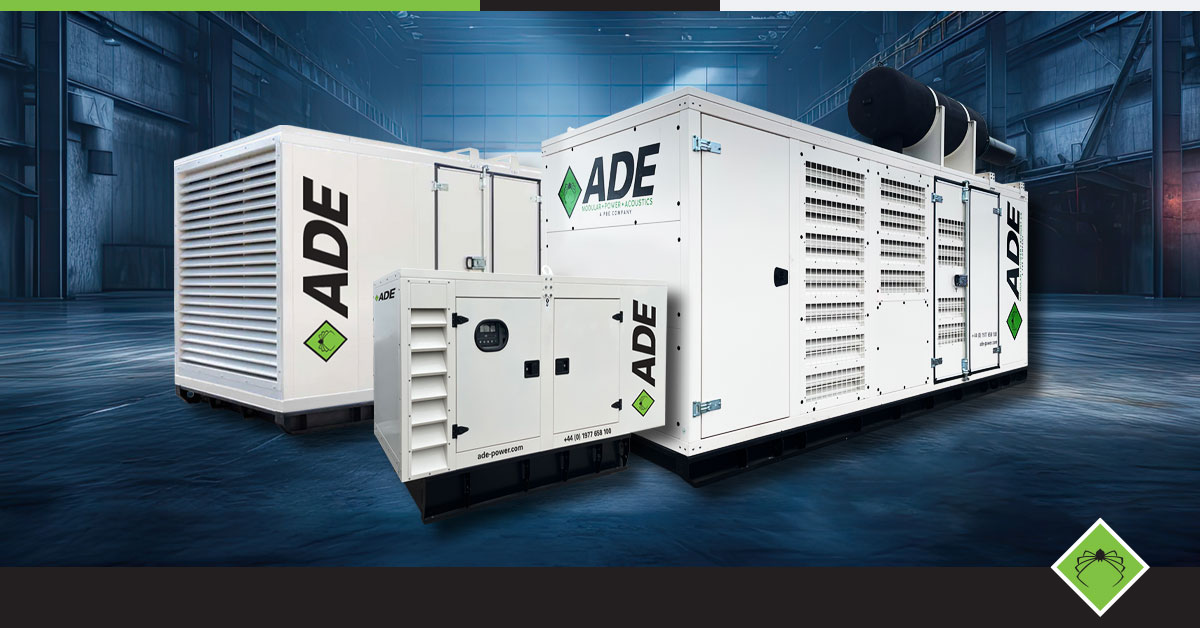
Electricity plays an important role in our daily lives. We use it to turn on lights, run fans, charge phones, cook food, and operate machines. However, power outages can happen at any time. Bad weather, heavy storms, repairs, and other problems can interrupt the power supply. Therefore, having a backup power source can make life much easier.
This is where generators become useful. They provide electricity when the main power supply stops working. Whether you need power for your home, office, shop, or construction site, a generator can help you keep things running. Today, many people search for generators for sale because they want a reliable backup power solution.
However, choosing the right generator is not always easy. There are many models, sizes, fuel types, and brands on the market. Some generators work well for small homes, while others can power large buildings and heavy machines. As a result, buyers should understand their needs before making a purchase.
In this guide, we will explore everything you need to know about generators. We will discuss different types, important features, prices, safety tips, and buying advice. By the end, you will know how to find the right generator for your needs.
What Are Generators?
A generator is a machine that produces electricity. It uses an engine to turn mechanical energy into electrical energy. This electricity can power different devices when the regular power supply is unavailable.
Generators come in many sizes. Small models can charge phones and run a few lights. Larger models can power refrigerators, air conditioners, offices, and industrial machines. Therefore, every buyer can find a suitable option.
Most generators use fuel to produce electricity. Common fuel choices include gasoline, diesel, natural gas, and propane. However, some modern models use batteries and other power systems.
People use generators in many places. Homeowners use them during power cuts. Business owners use them to protect their daily work. Construction workers also use them when they work in places without electricity.
Why Are Generators Important?
Electricity is necessary for many daily activities. Without it, simple tasks can become difficult. For example, you may not be able to charge your phone, use your computer, or keep food cold.
A generator provides backup electricity during these situations. It helps people continue their normal activities. Moreover, it can protect important equipment from unexpected power interruptions.
Here are some common reasons why people buy generators:
- To keep home lights working.
- To run fans and cooling systems.
- To protect refrigerators and freezers.
- To power computers and internet equipment.
- To support offices and small businesses.
- To operate tools at construction sites.
- To provide electricity during outdoor events.
- To support emergency services.
As a result, searching for generators for sale can be a smart step for people who want a dependable backup power source.
Different Types of Generators for Sale
Before buying a generator, you should understand the main types. Each type has different features and uses. Some are better for homes, while others work well for businesses and large projects.
Portable Generators
Portable generators are small machines that you can move from one place to another. They usually have wheels or handles. Therefore, they are easy to transport.
These generators are useful for camping, outdoor events, small workshops, and emergency home power. Many models can run lights, fans, televisions, and small appliances.
However, portable generators usually produce less electricity than large standby models. You should check their power capacity before buying one.
Standby Generators
Standby generators are designed to provide backup electricity for homes and businesses. They usually stay in one fixed location. Many models connect to a building’s electrical system.
Some standby generators start automatically when the main electricity supply fails. This feature makes them very useful during unexpected power cuts.
They can power several household systems at once. However, they often cost more than portable models. Professional installation may also increase the total price.
Diesel Generators
Diesel generators use diesel fuel to produce electricity. Many businesses, factories, hospitals, and construction companies use them.
These machines are popular because they can handle demanding workloads. Some models also provide strong performance for long operating periods.
However, diesel generators need regular maintenance. You should check the engine, filters, fuel system, and oil to keep them working properly.
Gasoline Generators
Gasoline generators use petrol as their main fuel. They are common among homeowners and people who need portable backup power.
Many gasoline models are simple to operate. They also come in different sizes and power capacities. Therefore, buyers can choose a model that matches their needs.
However, gasoline has a limited storage life. You should store fuel safely and follow the manufacturer’s instructions.
Inverter Generators
Inverter generators produce stable electricity for sensitive electronic devices. They use advanced technology to control their electrical output.
These generators are often quieter and more fuel-efficient than traditional portable models. As a result, they are useful for camping, travel, and home backup.
They can power laptops, televisions, phones, and other electronic equipment. However, their power capacity may be lower than that of larger conventional generators.
Solar Generators
Solar generators use stored battery power. They often work with solar panels that collect energy from sunlight.
These systems do not need gasoline or diesel to produce electricity. Therefore, they can be useful for people who want a quieter and cleaner backup option.
However, solar generators depend on battery capacity and available sunlight. Large appliances may require a powerful and expensive system.
Generators for Sale: How to Choose the Right Size
Generator size is one of the most important things to consider. A small generator may not support all your appliances. On the other hand, a very large generator may cost more than you need to spend.
First, make a list of the devices you want to operate. Include lights, fans, refrigerators, computers, and air conditioners.
Next, check the starting and running wattage of each appliance. Some devices need extra power when they start. Air conditioners, refrigerators, and pumps are common examples.
Add the running wattage of the equipment you want to use together. Then consider the highest starting power requirement. A qualified electrician or generator expert can help you calculate the correct capacity.
Here is a simple guide:
- Small generator: Basic lights and small electronics.
- Medium generator: Several household appliances.
- Large generator: Larger homes and small businesses.
- Industrial generator: Factories and heavy equipment.
Always leave enough power capacity for your needs. Also, avoid running a generator above its rated limit.
Important Features to Check Before Buying
Not every generator offers the same features. Some models focus on portability, while others focus on power and long operating times.
Therefore, you should compare important features before choosing a product.
Power Output
Power output tells you how much electricity a generator can provide. Manufacturers usually measure it in watts or kilowatts.
A higher output allows you to run more equipment. However, you should not buy a generator only because it has a large power rating.
Instead, match the power output with your actual needs. This will help you avoid spending money on unnecessary capacity.
Fuel Efficiency
Fuel efficiency tells you how much fuel a generator uses during operation. A fuel-efficient model can reduce running costs.
This feature matters when you expect long power outages. Moreover, it can help businesses manage their operating expenses.
Compare the fuel consumption details provided by different manufacturers. Remember that fuel use changes with the electrical load.
Noise Level
Some generators produce a lot of noise. This can become a problem in residential areas, offices, and camping locations.
If noise matters to you, look for a quiet or inverter generator. Check the manufacturer’s noise rating before purchasing.
Also, place the generator in a safe outdoor location. Never operate it inside a home or enclosed space.
Fuel Tank Capacity
The fuel tank affects how long a generator can run before you need to refill it.
A larger tank may provide longer operating time. However, actual runtime depends on the model and the amount of electricity you use.
Compare the runtime specifications at different loads. This will help you understand how often you may need to add fuel.
Automatic Start Feature
Some standby generators include an automatic transfer switch. This system can detect a power failure and start the generator automatically.
It also helps transfer the building’s electrical supply to the backup system. When the main supply returns, the system can switch back.
This feature is useful for homes and businesses that need reliable backup power. However, proper installation is essential.
Where Can You Find Generators for Sale?
Finding the right seller is just as important as finding the right generator. A trusted seller can help you choose a suitable model and understand its features.
Today, buyers can explore different shopping options. Each option has its own benefits.
Online Stores
Online stores make it easy to compare different generator models. You can check product descriptions, specifications, customer reviews, and prices.
You can also explore several brands without visiting different shops. However, always check the seller’s reputation before placing an order.
Look for clear warranty information and return policies. Also, confirm delivery charges and installation services.
Local Generator Dealers
Local dealers allow you to inspect products before purchasing. You can ask questions and compare different models in person.
Many dealers also provide maintenance and repair services. This can be helpful when your generator needs attention.
Before buying, ask about the warranty, spare parts, and service support. A good dealer should explain these details clearly.
Authorized Brand Distributors
Authorized distributors sell products from specific manufacturers. They may offer genuine equipment and official warranty support.
Buying through an authorized distributor can reduce the risk of purchasing counterfeit or poorly supported products.
However, compare prices with other trusted sellers. Make sure the model and warranty match the manufacturer’s official information.
How Much Do Generators Cost?
Generator prices depend on several factors. These include the brand, fuel type, power capacity, features, and quality.
Small portable generators usually cost less than large standby systems. Industrial generators can cost much more because they produce greater power.
In addition, installation can increase the total cost. Some systems need electrical work, fuel connections, transfer switches, and other equipment.
When comparing generators for sale, do not focus only on the purchase price. Think about the total cost of ownership.
Consider these expenses:
- Initial generator price.
- Fuel costs.
- Regular maintenance.
- Replacement filters and parts.
- Installation charges.
- Delivery costs.
- Battery replacement, where applicable.
- Repair and service expenses.
A cheaper model may look attractive at first. However, a reliable model with good fuel efficiency may save money over time.
Best Generators for Home Use
Homeowners often need generators to support basic household activities. These include lighting, cooling, food storage, and communication.
A portable generator may work well for smaller power needs. Meanwhile, a standby generator may be better for people who want automatic backup power.
Before choosing a model, consider your household size. A small family may need less power than a large family with several air conditioners.
You should also think about local weather and power conditions. If outages happen regularly, a dependable system may be a useful investment.
Most importantly, ask an electrician to check your home’s electrical requirements. This helps you choose a generator with enough capacity.
Best Generators for Businesses
Businesses depend on electricity to serve customers and complete daily tasks. Even a short power outage can interrupt important operations.
For example, restaurants need electricity for refrigerators and kitchen equipment. Offices need computers and internet systems. Shops may need lights, security systems, and payment machines.
Therefore, businesses should select generators based on their equipment and working hours.
Diesel generators are common in many commercial settings. However, inverter and natural gas systems may also suit certain businesses.
Before purchasing, calculate the total electrical load. Also, consider fuel availability, service support, and future business growth.
Generators for Construction Sites
Construction sites often operate in places without a regular electricity supply. Workers need power for drills, saws, pumps, lighting, and other tools.
Portable generators can help with smaller jobs. Larger construction projects may need heavy-duty diesel generators.
When selecting a generator, check its power output and operating conditions. Construction equipment can have high starting power requirements.
Also, consider transportation and protection. The generator should stay in a safe place where workers can access it easily.
Regular maintenance is important on construction sites. Dust, heat, and heavy use can affect generator performance.
Important Generator Safety Tips
Generators are useful machines. However, they can become dangerous when people use them incorrectly.
One major danger is carbon monoxide. This is a poisonous gas that you cannot see or smell.
Always operate fuel-powered generators outdoors. Keep them away from doors, windows, and air vents. Never use them inside a house, garage, basement, or enclosed area.
Follow these important safety rules:
- Read the manufacturer’s instructions.
- Keep generators outdoors.
- Maintain a safe distance from buildings.
- Never refuel a hot generator.
- Keep fuel in approved containers.
- Protect the generator from rain and standing water.
- Keep children and pets away.
- Use suitable outdoor-rated extension cords.
- Install carbon monoxide alarms inside your home.
- Ask a qualified electrician to connect the generator to your electrical system.
Never connect a generator directly to a wall outlet. This can send electricity back into power lines and put utility workers at risk.
How to Maintain Your Generator
Regular maintenance helps your generator work properly. It can also reduce the chance of unexpected problems.
First, check the engine oil according to the manufacturer’s instructions. Low or dirty oil can damage the engine.
Next, inspect the air filter. A dirty filter can reduce performance and increase fuel use.
You should also check the fuel system, battery, spark plugs, and other parts when required.
Here are some useful maintenance steps:
- Check oil levels before operation.
- Clean or replace air filters.
- Inspect fuel lines for damage.
- Keep the generator clean.
- Check the battery when applicable.
- Follow the recommended service schedule.
- Run and test the generator as instructed.
- Store fuel safely.
- Contact a professional when repairs are needed.
Do not ignore unusual sounds, smoke, or warning lights. Stop the machine safely and arrange an inspection.
New vs. Used Generators for Sale
Buyers can choose between new and used generators. Both options have advantages and disadvantages.
A new generator usually comes with a manufacturer’s warranty. It may also include the latest features and better support.
However, new models can cost more. This may not suit every buyer’s budget.
Used generators can offer lower prices. They may be a good option when the seller provides a clear service history.
Still, inspect a used generator carefully. Check its operating hours, engine condition, fuel system, and maintenance records.
Ask the seller to demonstrate the generator under a suitable load. If possible, have a qualified technician inspect it before you pay.
Common Mistakes to Avoid When Buying a Generator
Many buyers make simple mistakes when shopping for generators. These mistakes can lead to extra expenses and poor performance.
One common mistake is choosing a generator that is too small. It may not support the equipment you need during a power outage.
Another mistake is ignoring fuel costs. A generator may have an affordable purchase price but use a lot of fuel.
Some people also forget about noise levels. A loud machine may disturb family members and neighbors.
Avoid these mistakes:
- Do not buy without checking wattage.
- Do not ignore starting power requirements.
- Do not choose only by price.
- Do not forget warranty details.
- Do not overlook maintenance costs.
- Do not buy from an unknown seller without checking product details.
- Do not ignore safety requirements.
Instead, compare several models. Read their specifications and ask questions before making your final decision.
How to Compare Different Generator Brands
Different brands offer different products and features. Some focus on portable generators, while others make large commercial systems.
When comparing brands, check their product range. Make sure they offer a generator that matches your power needs.
Next, review warranty coverage. A good warranty can provide peace of mind if a covered problem occurs.
Also, check the availability of spare parts. A generator becomes less useful when you cannot find parts for repairs.
Customer reviews can also help. Look for comments about reliability, fuel consumption, noise, and customer service.
However, do not depend on reviews alone. Always compare official product specifications before purchasing.
Why Warranty and After-Sales Service Matter
A generator is a long-term purchase. Therefore, warranty coverage and after-sales service matter.
A warranty may cover certain manufacturing defects during a specific period. However, it usually has conditions and exclusions.
Read the warranty document carefully. Check how long the coverage lasts and which parts it includes.
After-sales service is equally important. You may need professional help with installation, maintenance, or repairs.
Choose a seller that can explain its service process. Also, ask whether technicians and replacement parts are available in your area.
Environmentally Friendly Generator Options
Many buyers now consider the environmental impact of their equipment. Traditional fuel-powered generators produce exhaust emissions and noise.
Solar generators offer another option. They store electricity in batteries and can recharge through solar panels.
Inverter generators can also use fuel more efficiently under suitable loads. Some natural gas models may offer another alternative, depending on local conditions.
However, every power system has limits. Solar systems depend on battery size and sunlight. Fuel-powered generators need proper ventilation and regular servicing.
Compare the available options based on your power needs, budget, and environmental goals.
Tips for Getting the Best Deal on Generators for Sale
Buying a generator does not mean you should choose the first product you find. A little research can help you make a better decision.
First, compare prices from several trusted sellers. Look at the same model and check whether the price includes delivery or installation.
Next, ask about discounts and seasonal offers. Some dealers may provide special deals during certain periods.
You should also check the complete package. Some sellers include accessories, service plans, or additional equipment.
Use these tips when shopping:
- Set a realistic budget.
- Calculate your power requirements.
- Compare several generator models.
- Check fuel consumption.
- Read customer reviews.
- Confirm warranty coverage.
- Ask about spare parts.
- Compare installation costs.
- Check seller reputation.
- Request a written quotation.
Remember, the best deal is not always the cheapest product. A reliable generator with good support may provide better value over time.
FAQS
1. What Should I Check Before Buying a Generator?
Check the power output, fuel type, noise level, fuel consumption, and warranty. Also, calculate the starting and running wattage of your appliances.
2. Which Generator Is Best for Home Use?
The best option depends on your electricity needs. Portable generators work for basic backup power, while standby generators can support larger household systems.
3. How Long Can a Generator Run?
Runtime depends on the generator model, fuel tank size, fuel type, and electrical load. Always follow the manufacturer’s operating instructions.
4. Are Inverter Generators Worth Buying?
Yes, they can be useful for sensitive electronics and quieter operation. However, compare their power capacity and price before purchasing.
5. Where Can I Find Reliable Generators for Sale?
You can check authorized dealers, trusted local shops, and reputable online stores. Always verify the product details, warranty, and seller reputation.
Conclusion
Generators provide an important backup power solution for homes, offices, businesses, and construction sites. They help people continue their daily activities when the main electricity supply fails.
However, choosing the right machine requires careful planning. You should consider power capacity, fuel type, noise level, fuel efficiency, maintenance, and safety.
When exploring generators for sale, compare different models and buy from a trusted seller. Also, check warranty coverage and after-sales support.
Most importantly, choose a generator that matches your actual needs. A well-selected generator can provide dependable backup electricity and make unexpected power outages much easier to manage.
